MarineroKnots › Bowline

Free guide · no account

How to tie a bowline

A bowline puts a fixed loop in the end of a rope. The loop will not slip or shrink under load, and the knot still unties by hand after it has been heavily loaded — which is why sailors call it the king of knots. Tie it whenever you need a secure loop: a sheet onto a headsail, a line over a bollard, a loop to pull someone aboard.
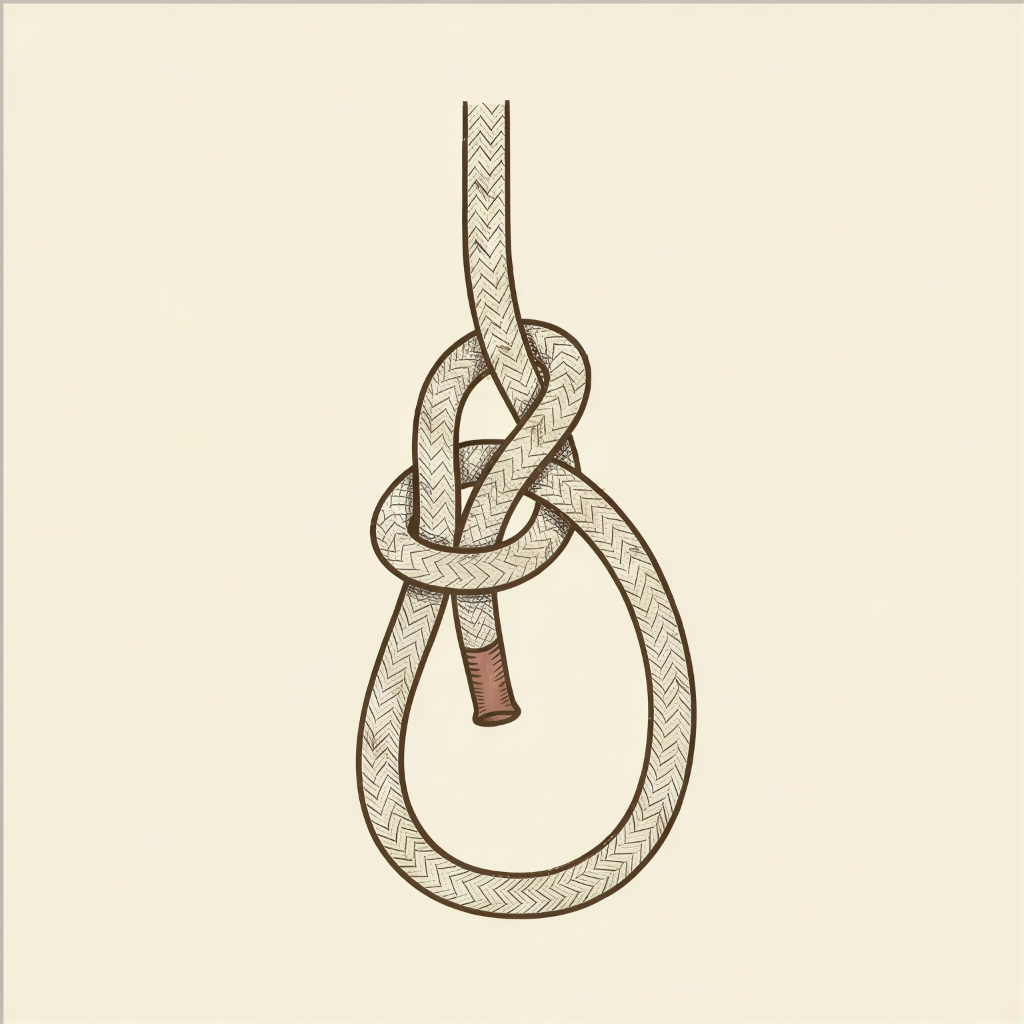
A finished bowline
Type
Fixed loop
Strength
Holds about 60% of the rope’s rated strength
Ease to untie
Easy, even after heavy load
Best for
Sheets to a sail, a loop over a bollard

“Up through the rabbit hole, round the big tree, down through the rabbit hole, off goes he.”

Tie it step by step

  1. Make a small loop in the standing partLeave plenty of tail — about three times the loop you want. The loop is the rabbit hole.
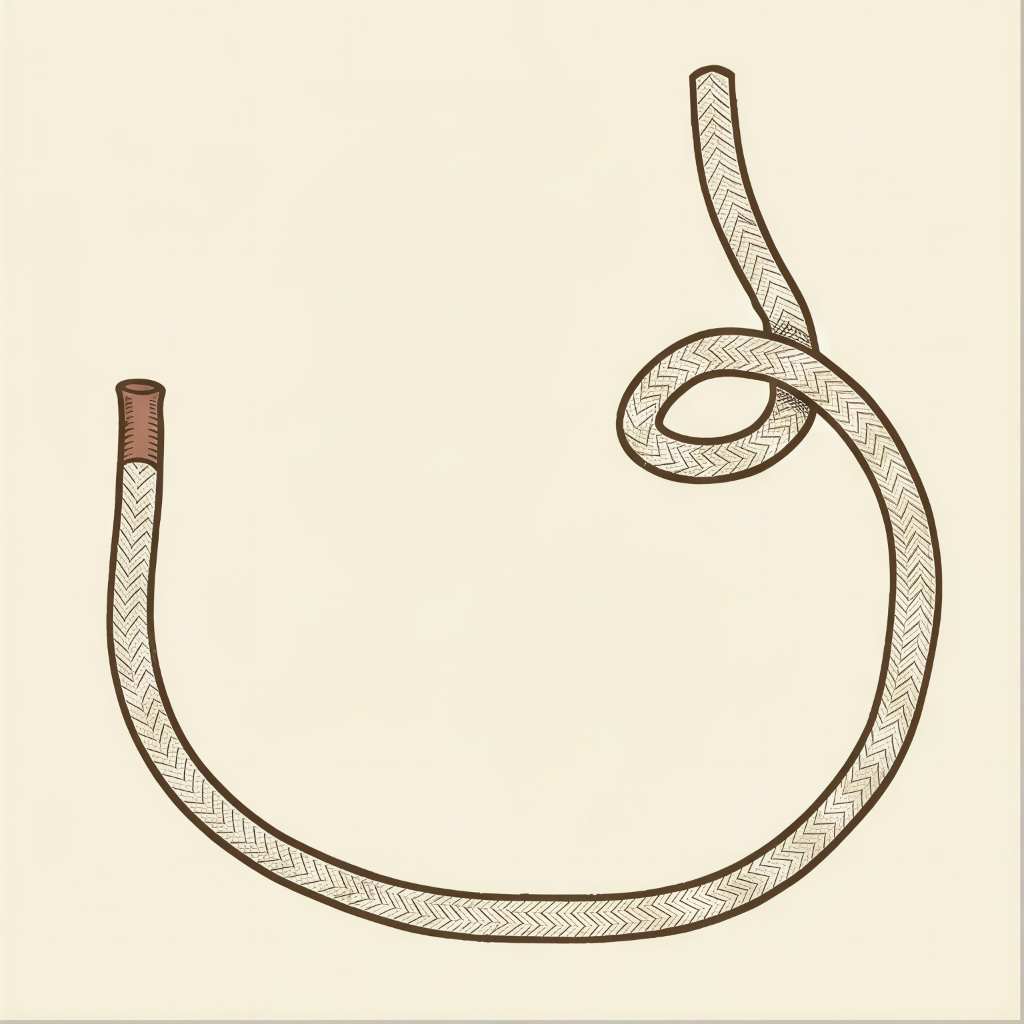
    Bowline — make a small loop in the standing part
  2. Bring the end up through the loop from belowThe rabbit comes up out of the hole. Keep the loop from twisting as you do it.
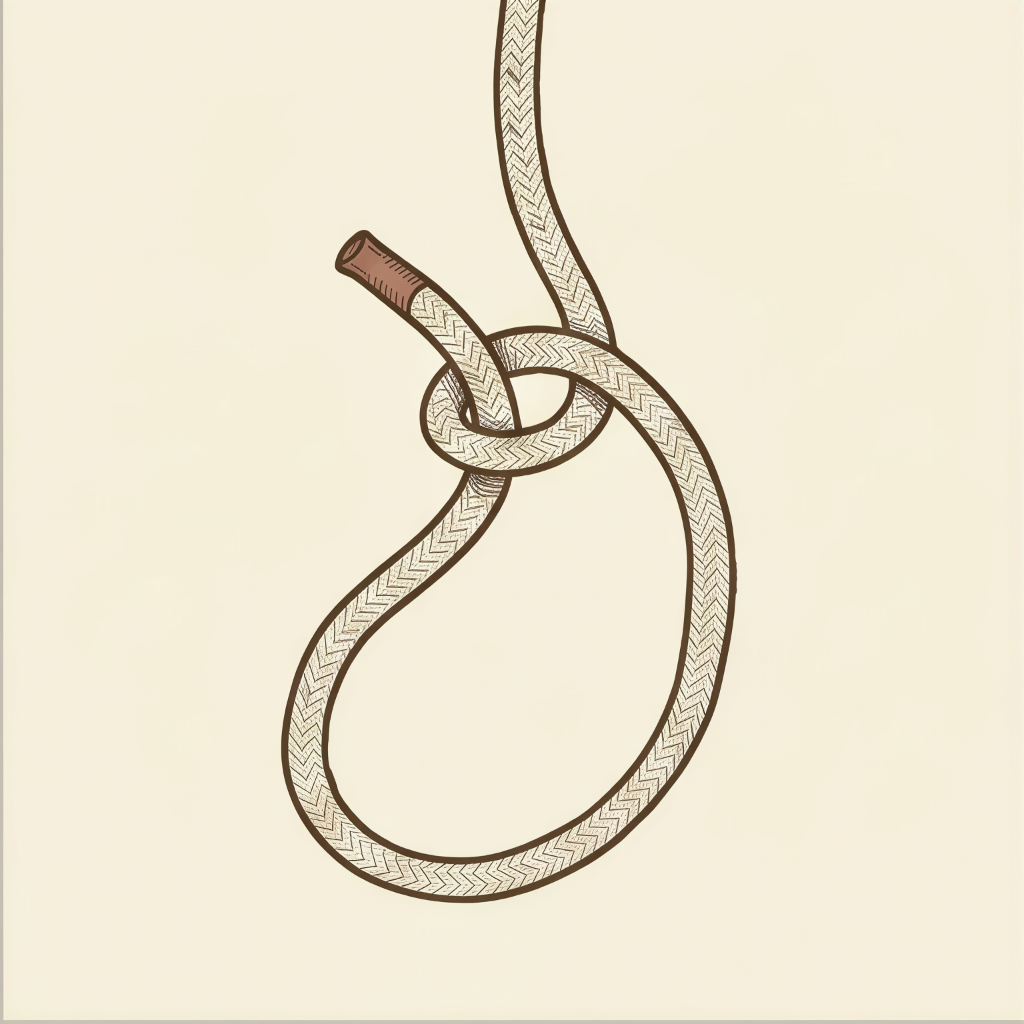
    Bowline — bring the end up through the loop from below
  3. Pass the end around behind the standing partRound the big tree — behind the standing part, right to left.
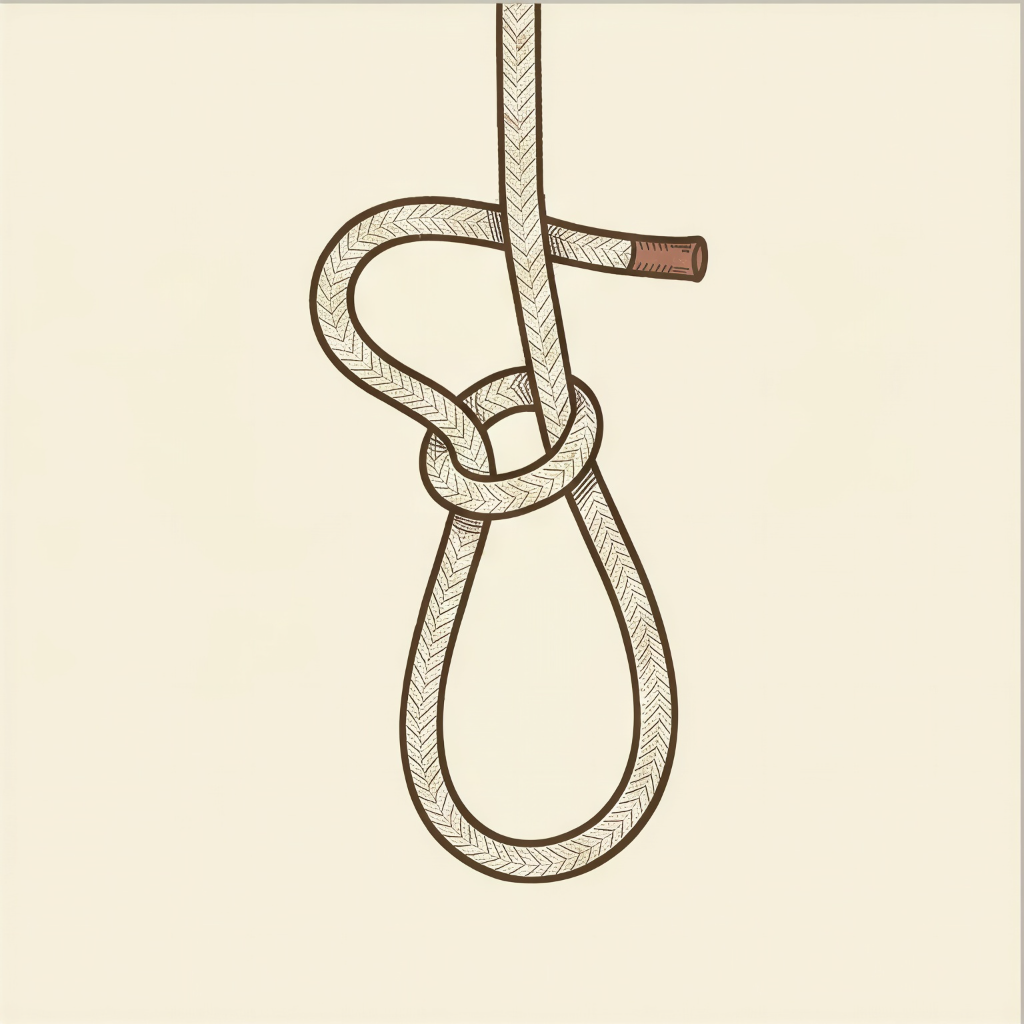
    Bowline — pass the end around behind the standing part
  4. Back down through the loop, then pull tightDown the rabbit hole again. Dress it by pulling the standing part and the loop apart.
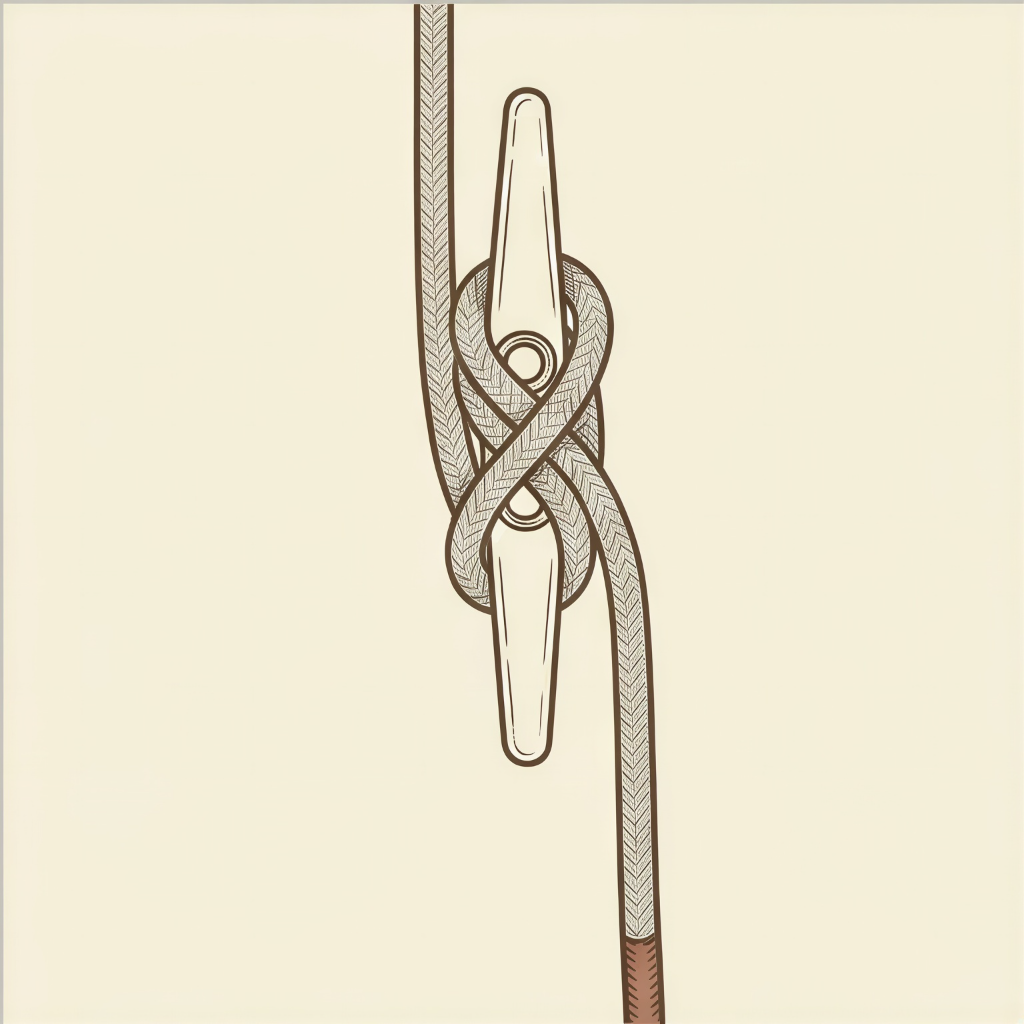
When you will use it on a boat

On a charter the bowline is the knot you reach for when something needs a loop. Sheets onto the clew of a headsail are bowlines. So is a mooring line dropped over a bollard, a snubber onto the anchor chain, a temporary jackstay, a line thrown to someone on the pontoon. Because it unties after load, you can undo it at the end of the week with cold hands.

Learn to tie it one-handed and behind your back. On a foredeck at night, with the boat moving, that is the difference between useful crew and a passenger.

Watch out for

Do

  • Leave at least 10cm of tail outside the knot
  • Dress it before you load it — pull the loop and the standing part apart
  • Check the tail sits inside the loop, not outside

Don’t

  • A bowline is not a bend — never use it to join two ropes together
  • Not in slippery high-tech line (Dyneema) without a stopper or an extra tuck
  • Not where the loop will be cyclically shaken loose while unloaded

Related knots

Questions people ask

Is a bowline secure?

Under steady load, yes — it is one of the most trusted knots afloat. Its weakness is being shaken while unloaded, and slippery modern line. In either case add a stopper knot in the tail or take an extra tuck (a Yosemite finish).

How do you untie a bowline after it has been loaded?

Break the neck: grip the collar — the part that wraps around the standing part — and fold it back towards the loop. It pops open with almost no force, which is exactly why the knot is so loved.

How much strength does a bowline take out of a rope?

Around 40%: a bowline typically leaves roughly 60% of the line’s rated breaking strength. That is normal for a knot and rarely a problem on a charter boat, where the line is far stronger than the load.

Is a bowline the same as a running bowline?

No. A running bowline is a bowline tied around its own standing part, so the loop closes like a noose. Useful for retrieving something in the water; never for a loop that must stay a fixed size.

Can you tie it from memory?

Reading a knot and tying it on a pitching foredeck are different skills. Test the first one in two minutes, then close the gap with the course.