Free guide · no account
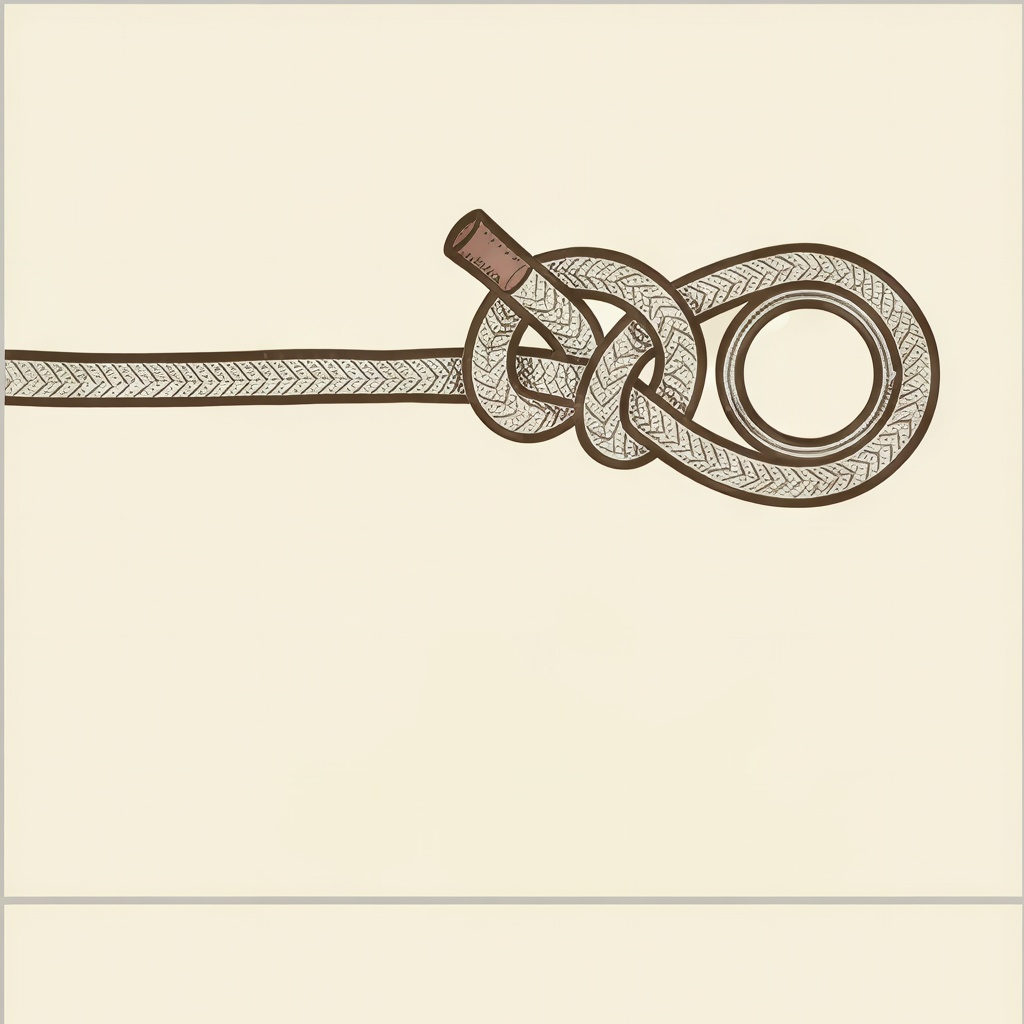
How to tie a round turn and two half hitches
A round turn and two half hitches ties a rope to a ring, rail or bollard. The round turn takes the load and lets you hold the line while you work; the two half hitches lock it off. It is the strongest of the everyday hitches and still comes undone easily, which makes it the default for mooring to anything that is not a cleat.
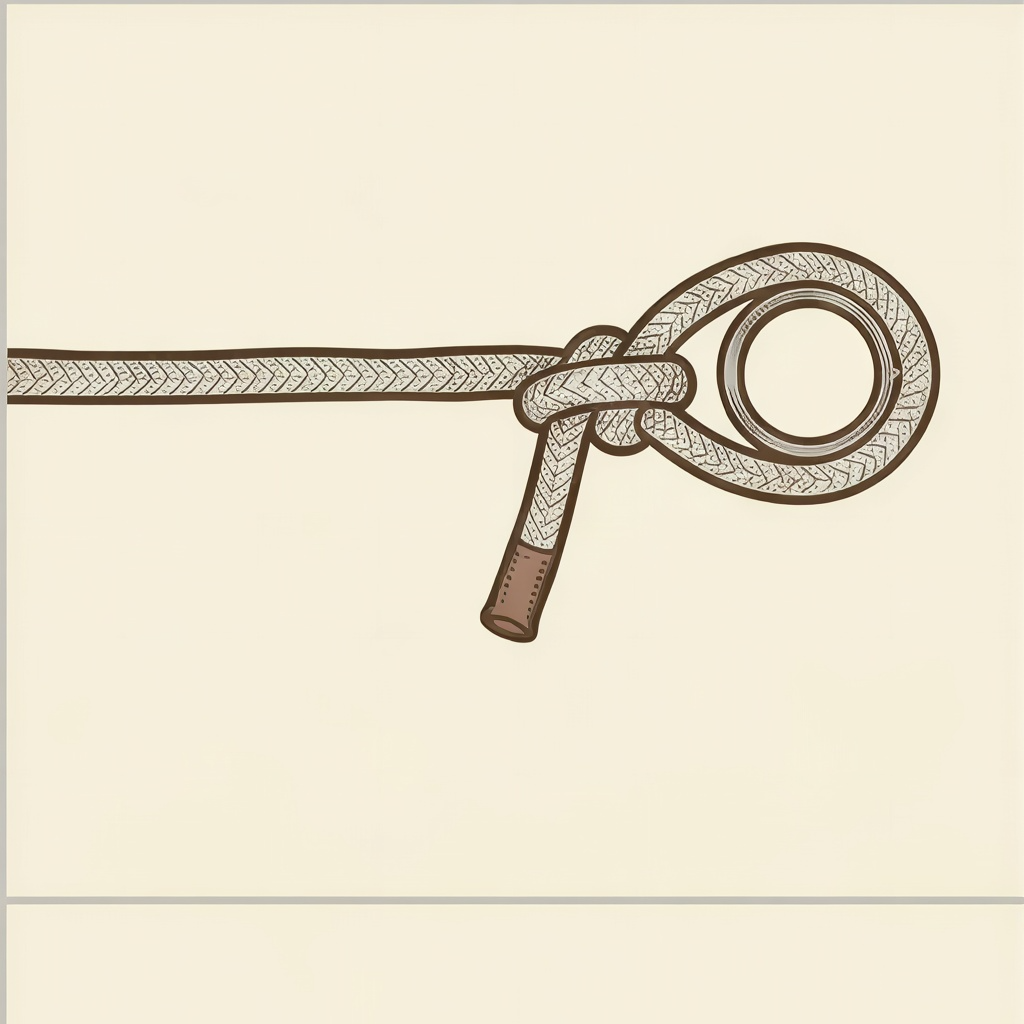
- Type
- Hitch (rope to a ring or rail)
- Strength
- High — the turn carries most of the load
- Ease to untie
- Easy, even with weight on the line
- Best for
- Mooring rings, bollards, dinghy painters
“Two turns, two hitches.”
Tie it step by step
- Pass the rope around the ringFirst turn. Keep hold of the working end.
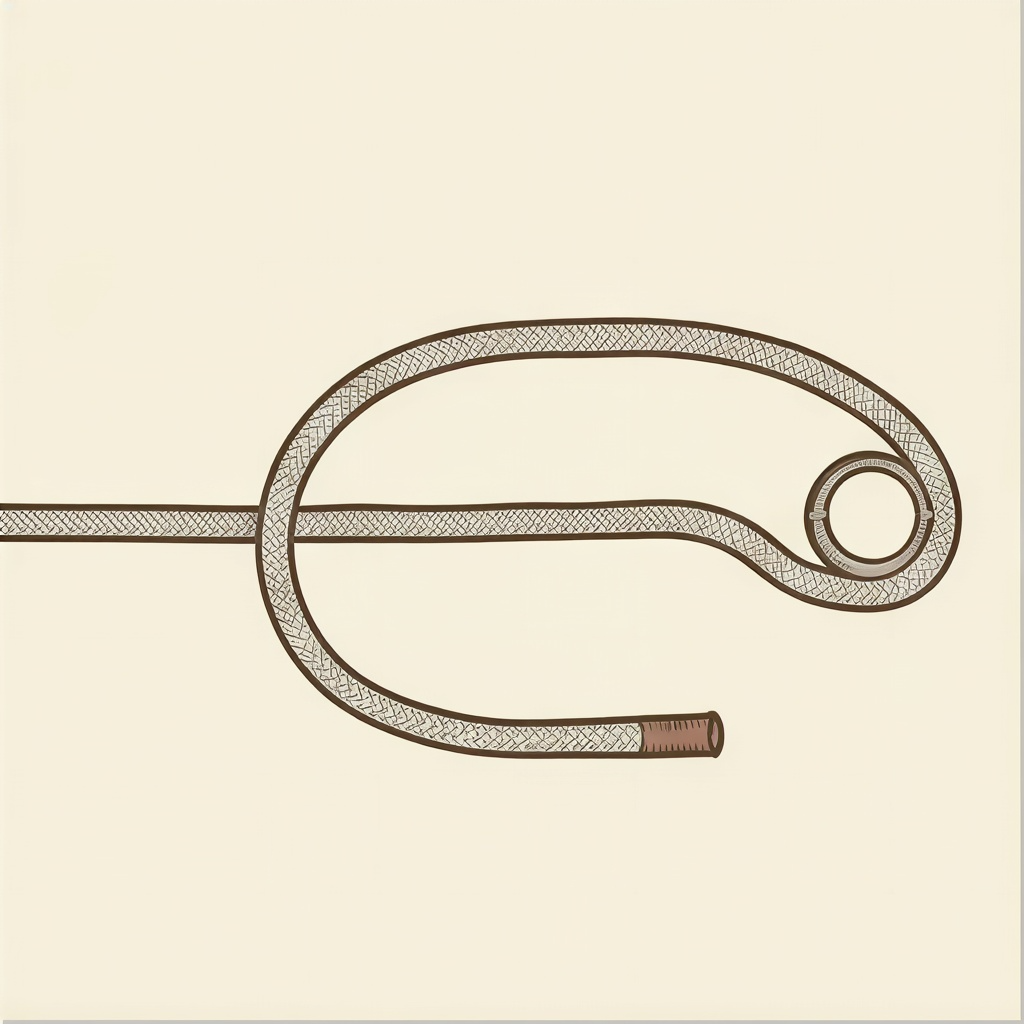
- Take a second turn — the round turnTwo turns spread the load and let you hold the line while you finish.
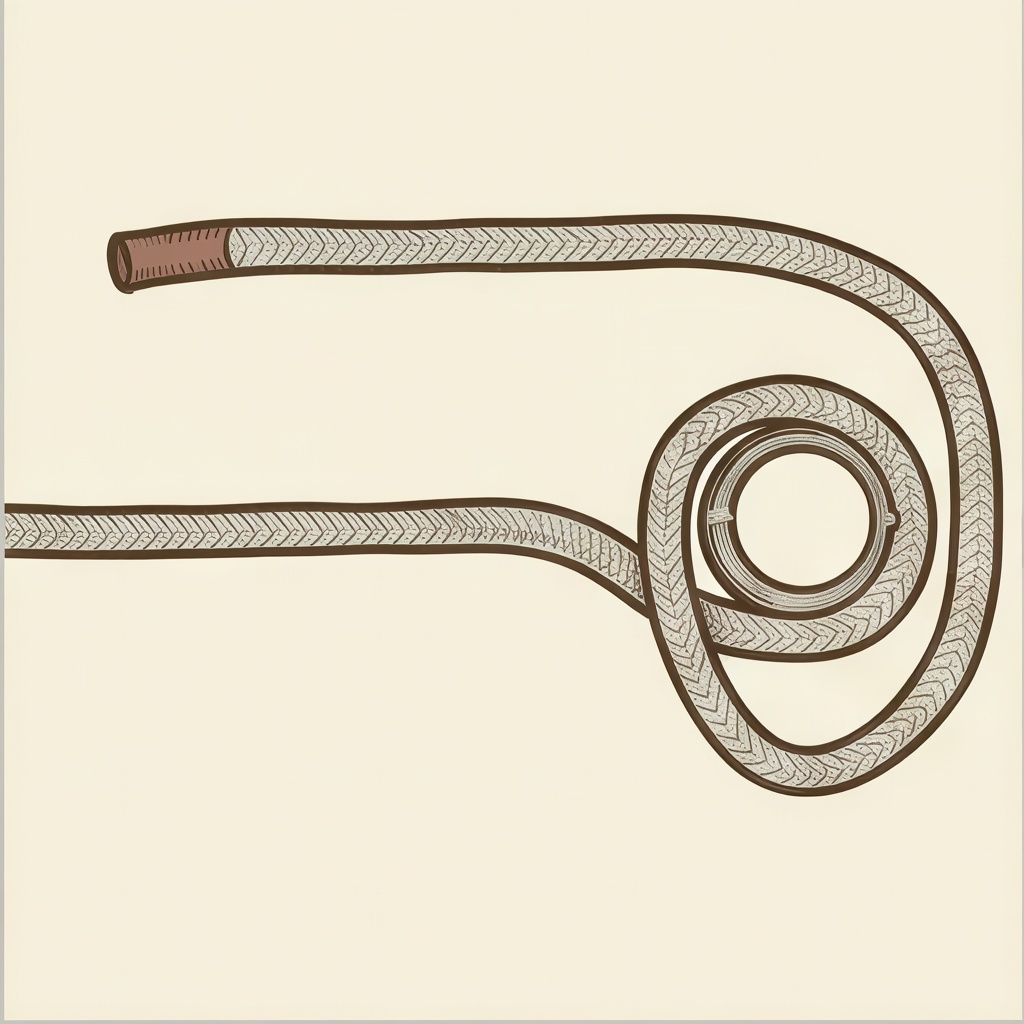
- First half hitch — over and throughBring the end over the standing part and tuck it through the loop you just made.
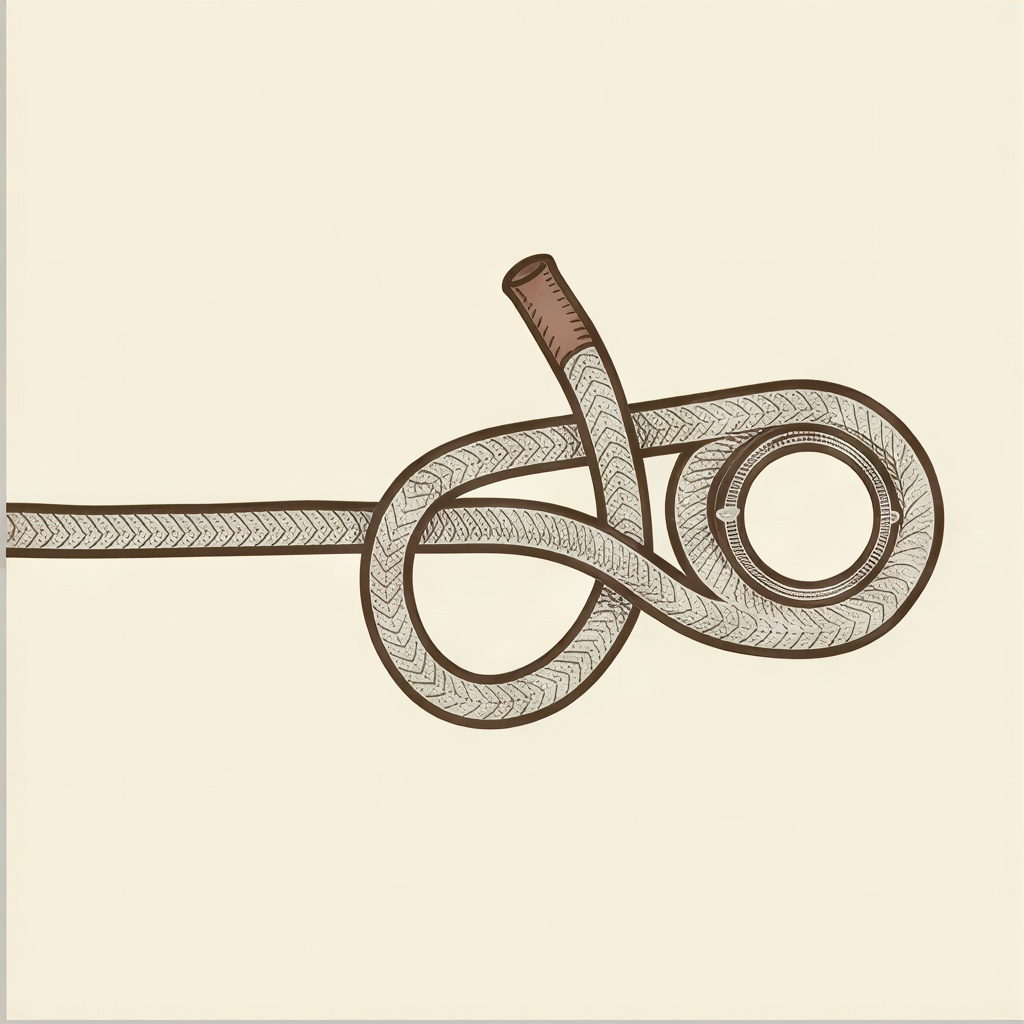
- Second half hitch, the same directionSame again, same way round, so both hitches lie neatly together. Snug them down onto the turns.
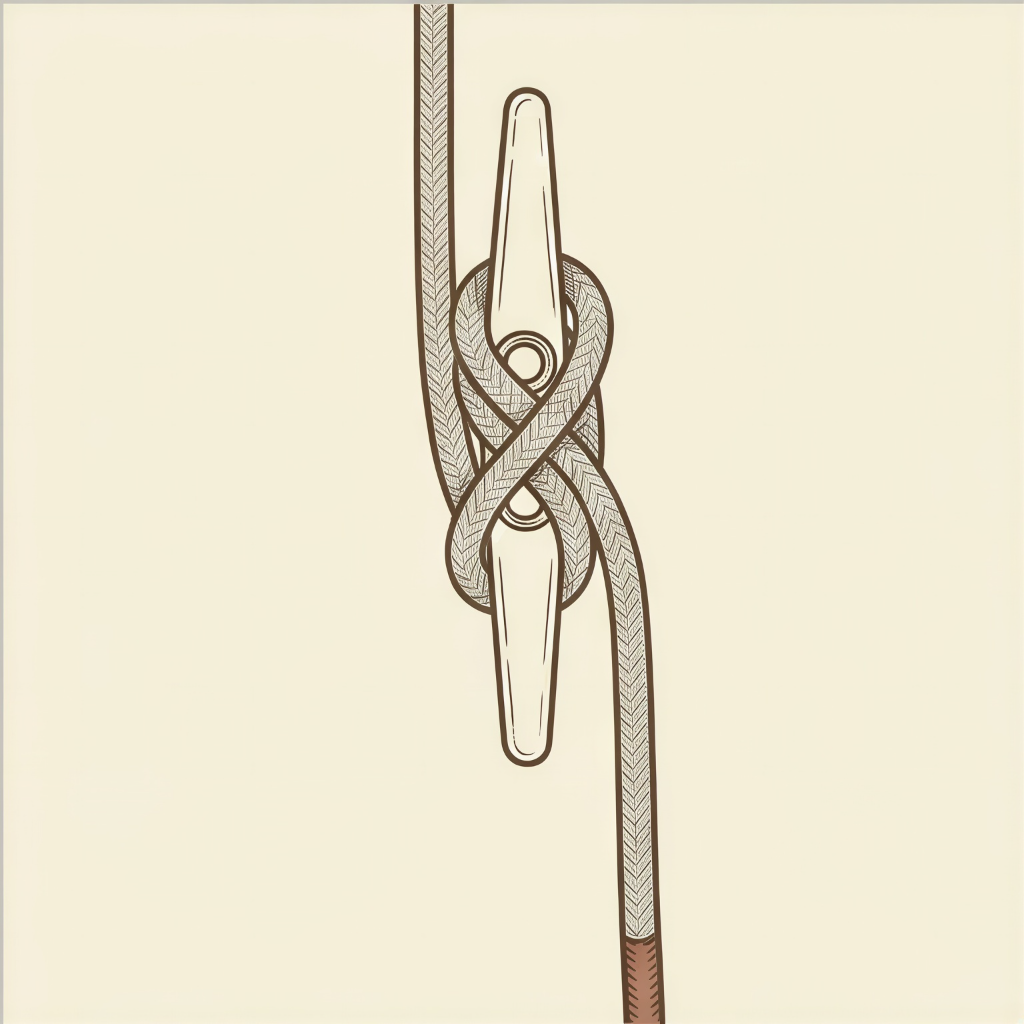 Cleat hitch
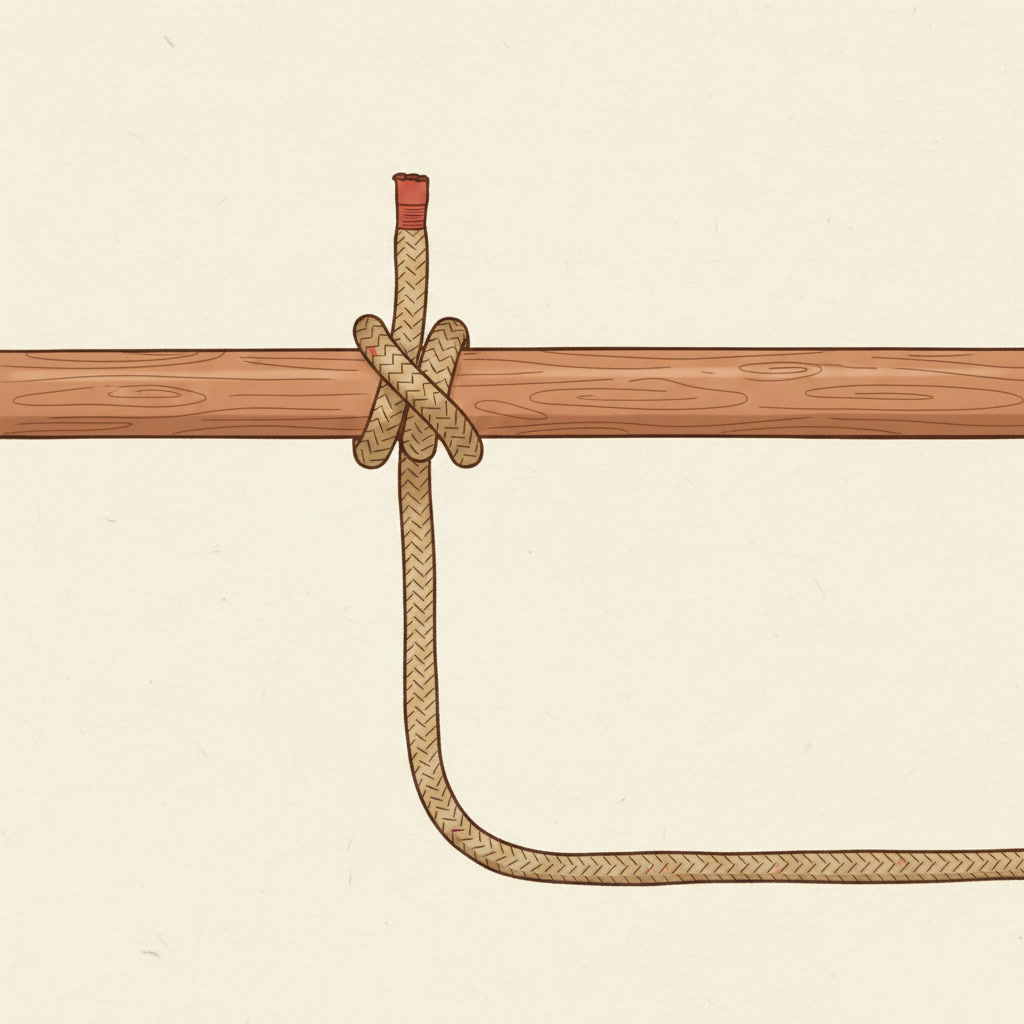 Clove hitch
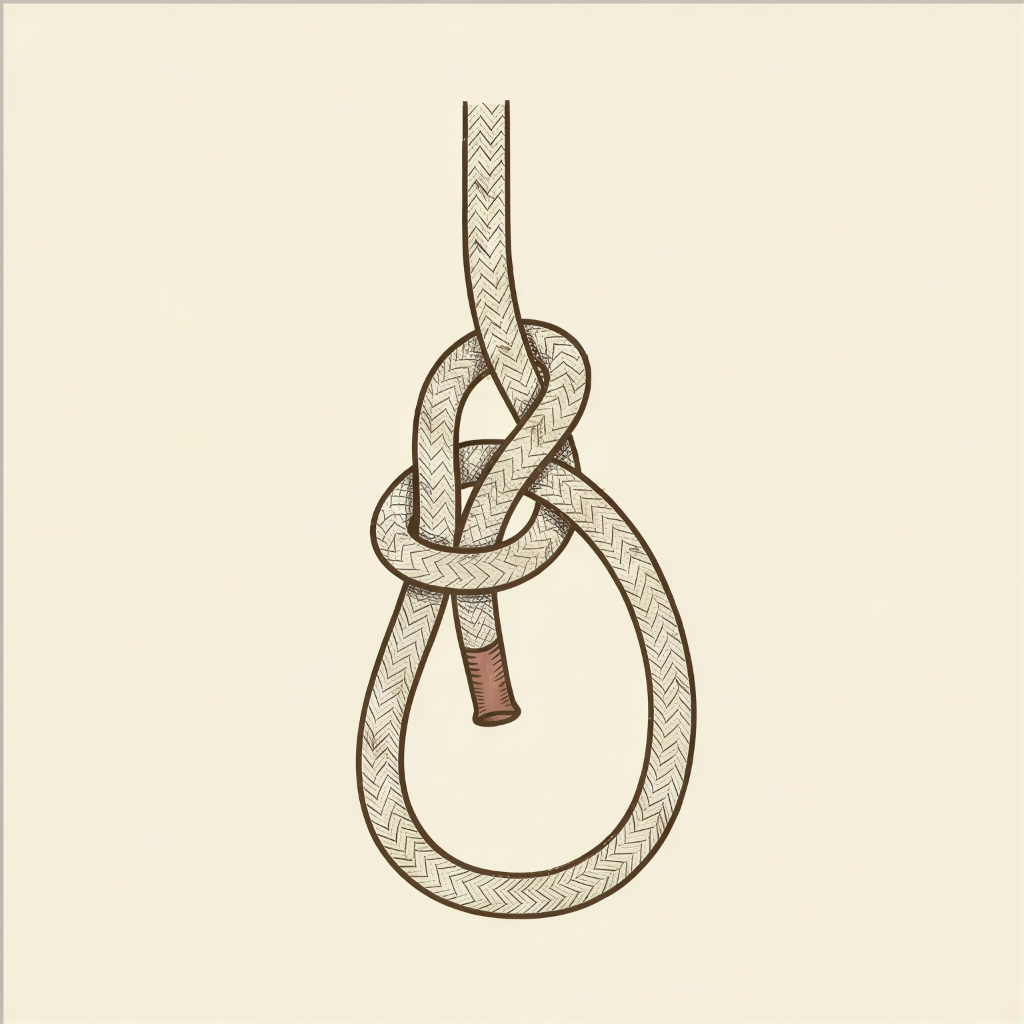 Bowline