Free guide · no account
How to tie a clove hitch
A clove hitch is two crossing turns around a rail or post, with the rope trapping itself. It goes on in seconds and can be slid along a rail to adjust, which is why sailors use it for fender lines. It is not a knot to trust alone under a steady sideways pull — back it up with a half hitch when it matters.
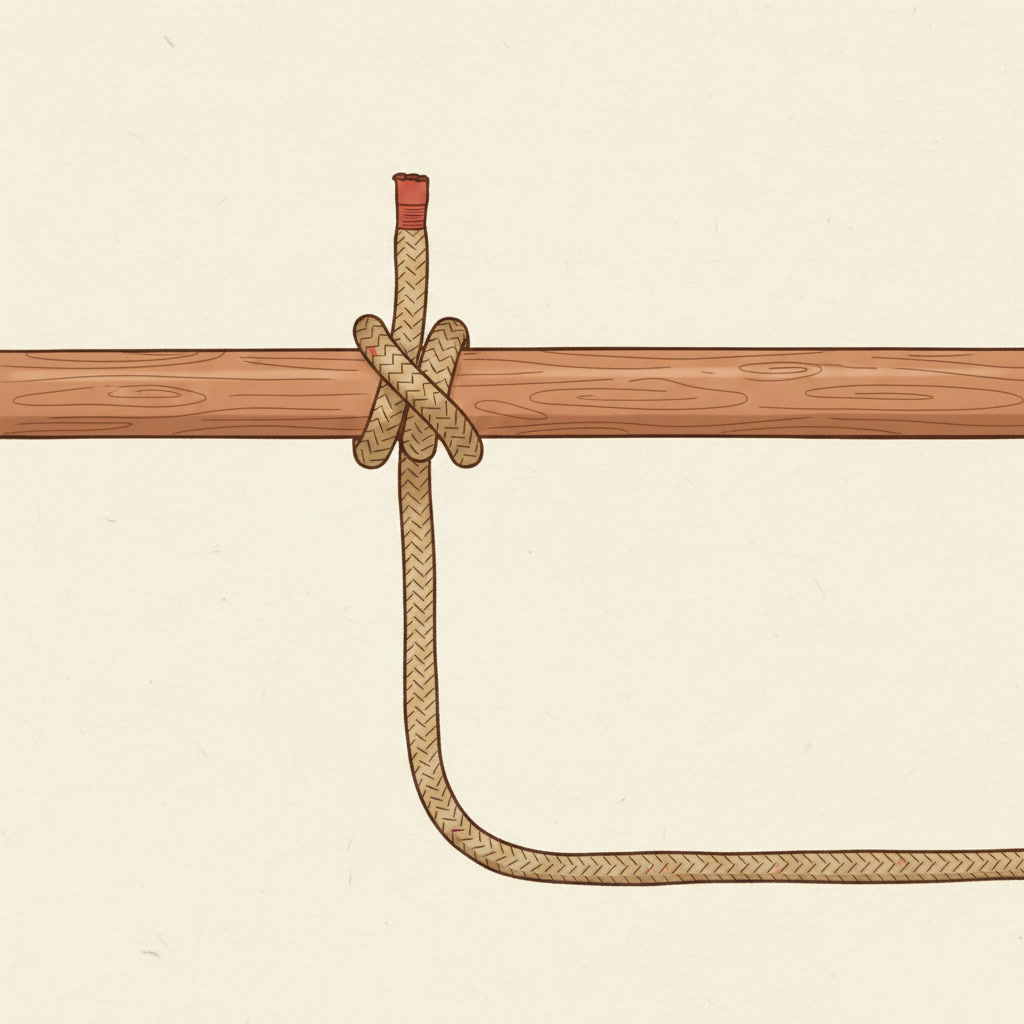
- Type
- Hitch (round a rail or post)
- Strength
- Moderate — can roll or slip under steady pull
- Ease to untie
- Very easy, even after load
- Best for
- Fender lines on a guardrail
“Over, cross, over, tuck.”
Tie it step by step
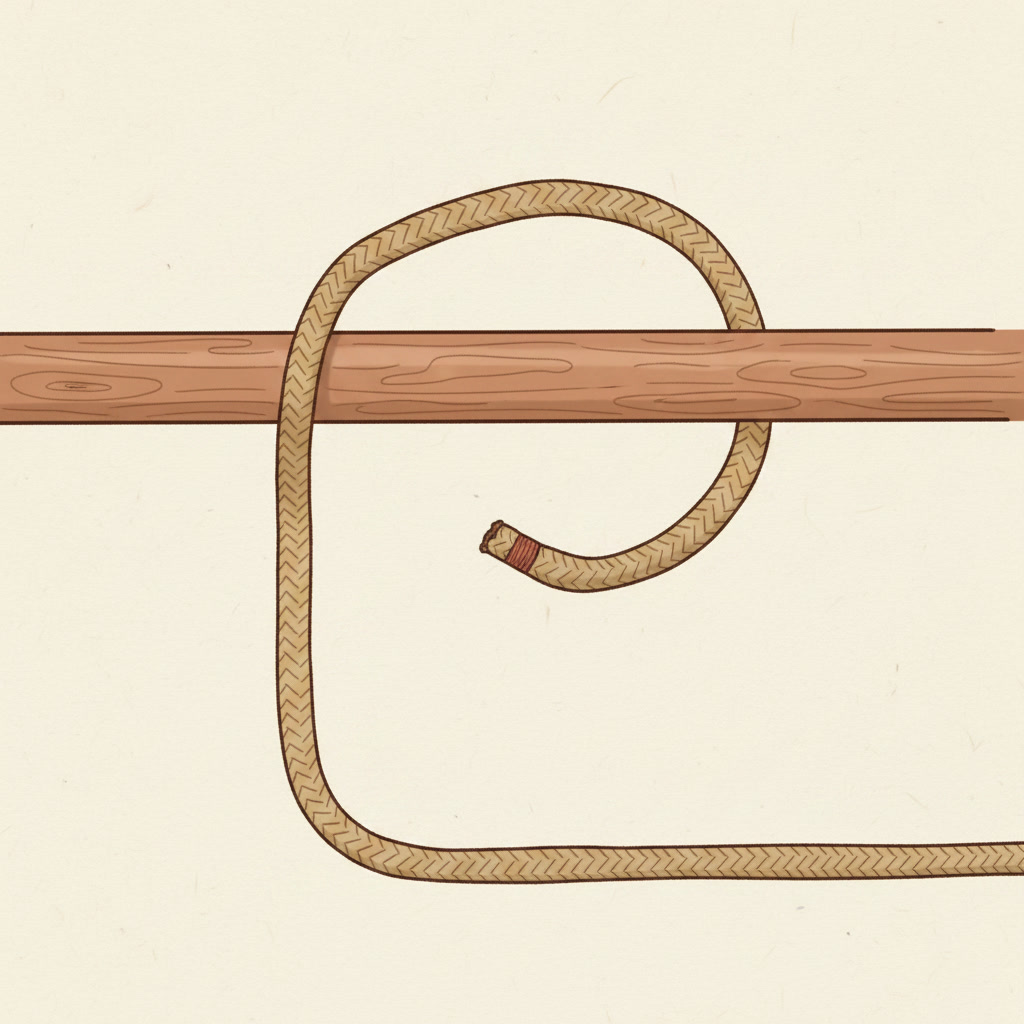
- Pass the end over the rail and across the standing partOne turn over the rail, crossing over itself.
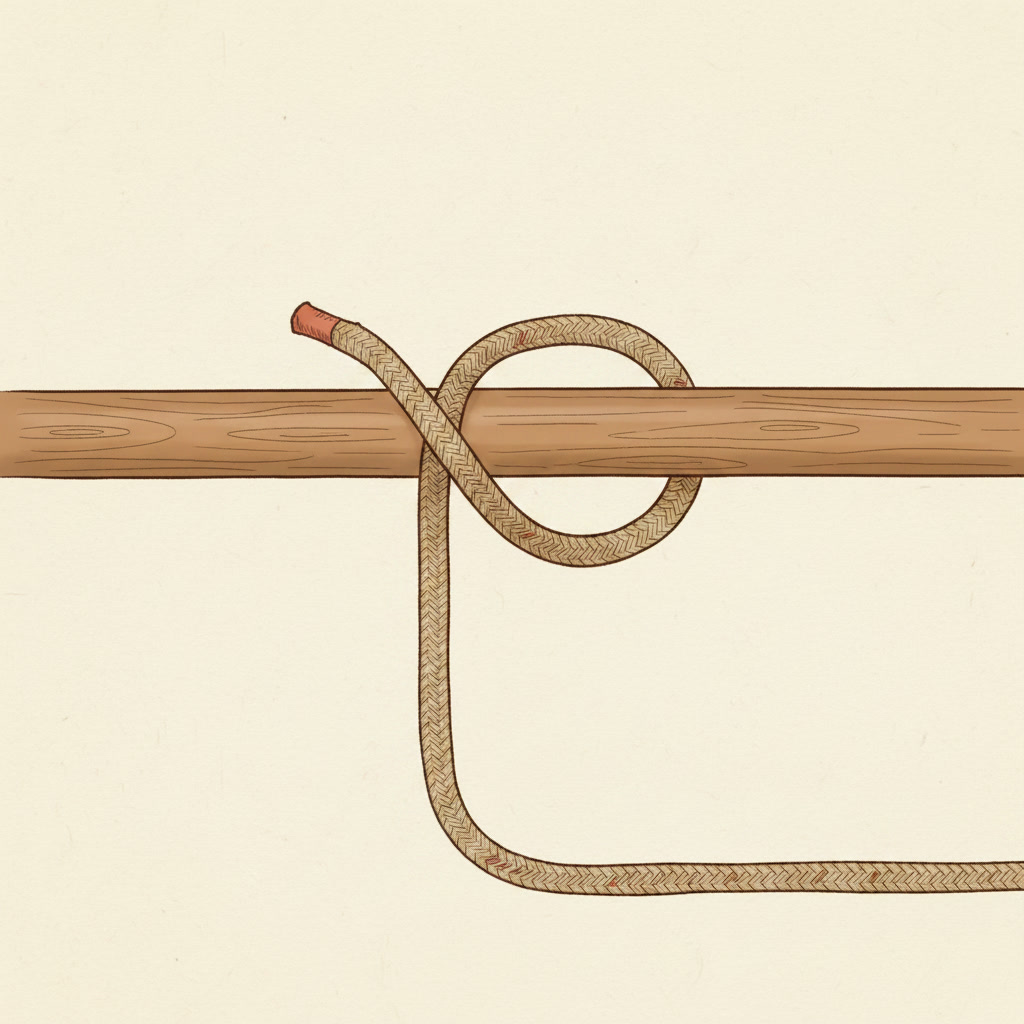
- Bring the end back up and over the rail againA second turn alongside the first, in the same direction.
- Tuck the end under the second turnCross over and tuck it under itself, so the two turns trap the tail.
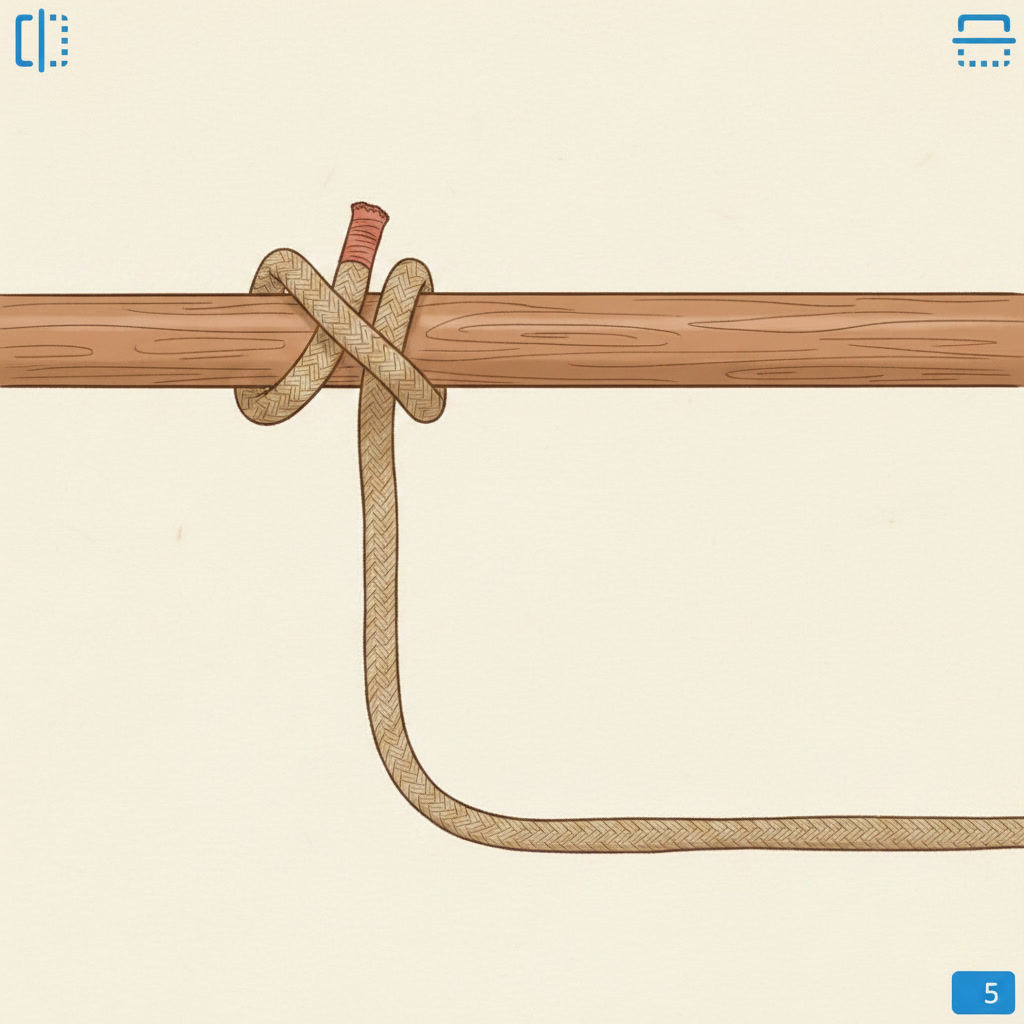
- Pull both parts tightSnug it up. On a slippery line, add a half hitch as insurance.
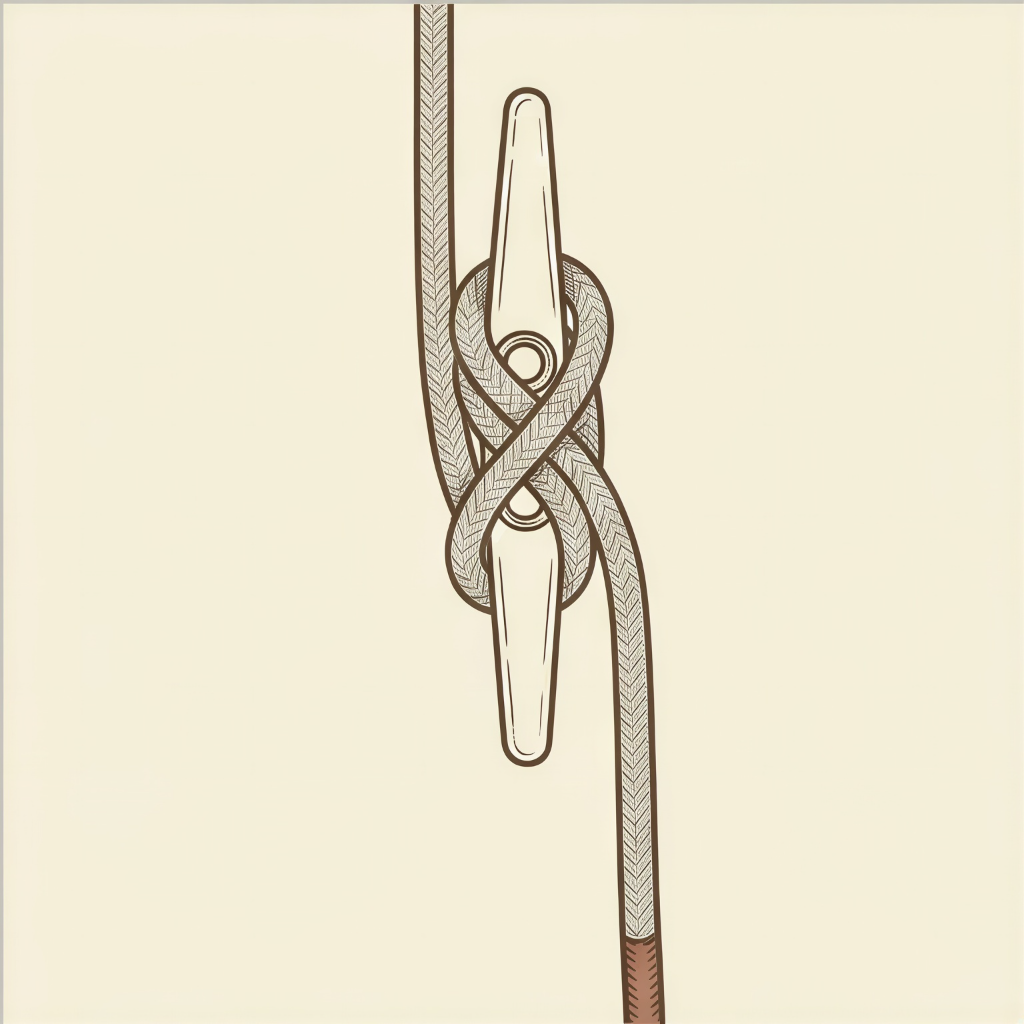 Cleat hitch
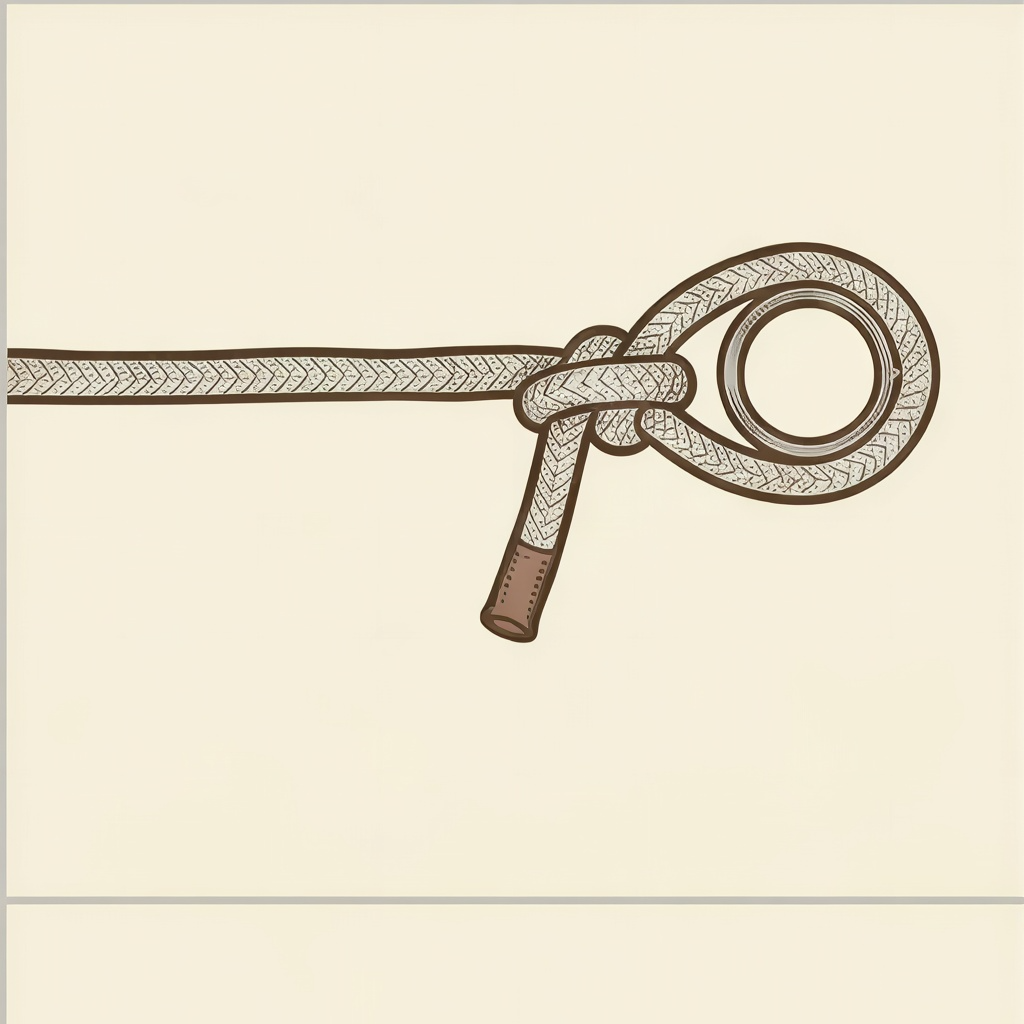 Round turn & two half hitches
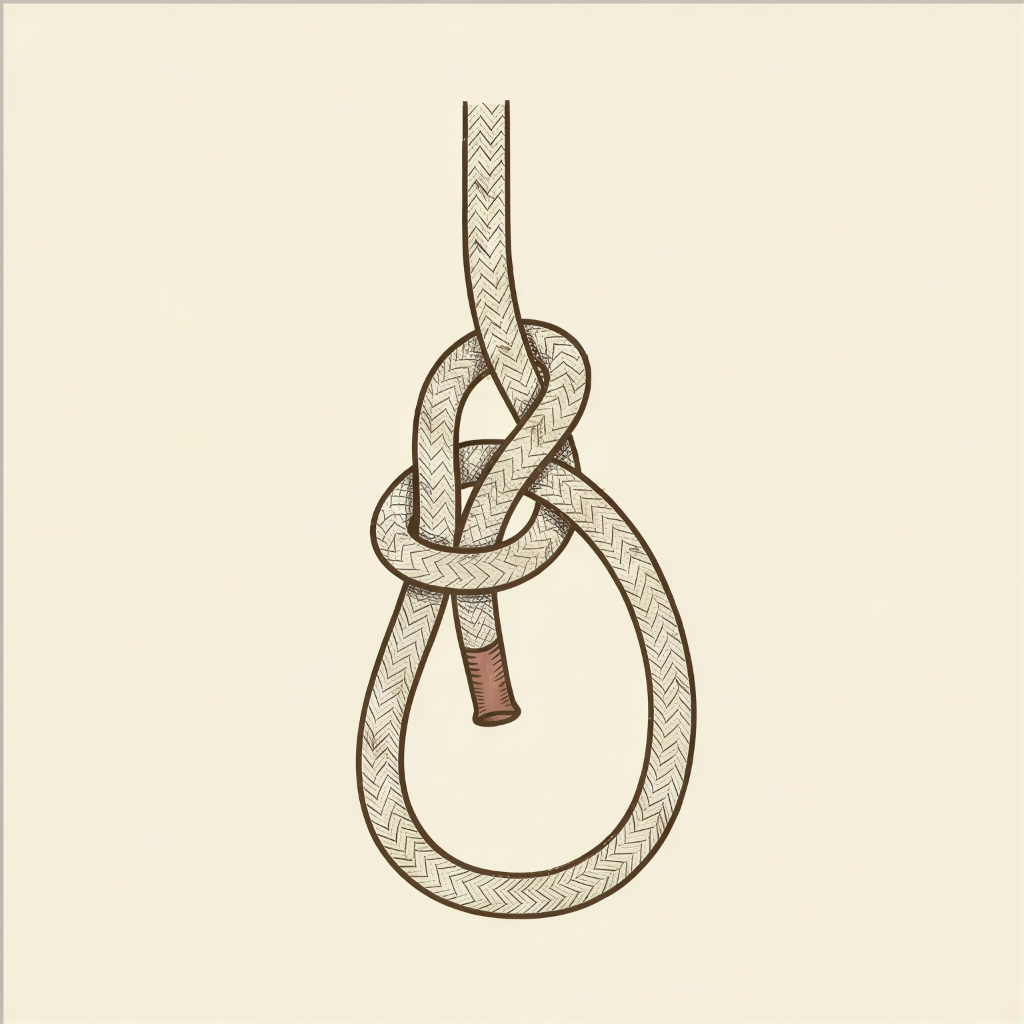 Bowline