MarineroKnots › Clove hitch

Free guide · no account

How to tie a clove hitch

A clove hitch is two crossing turns around a rail or post, with the rope trapping itself. It goes on in seconds and can be slid along a rail to adjust, which is why sailors use it for fender lines. It is not a knot to trust alone under a steady sideways pull — back it up with a half hitch when it matters.
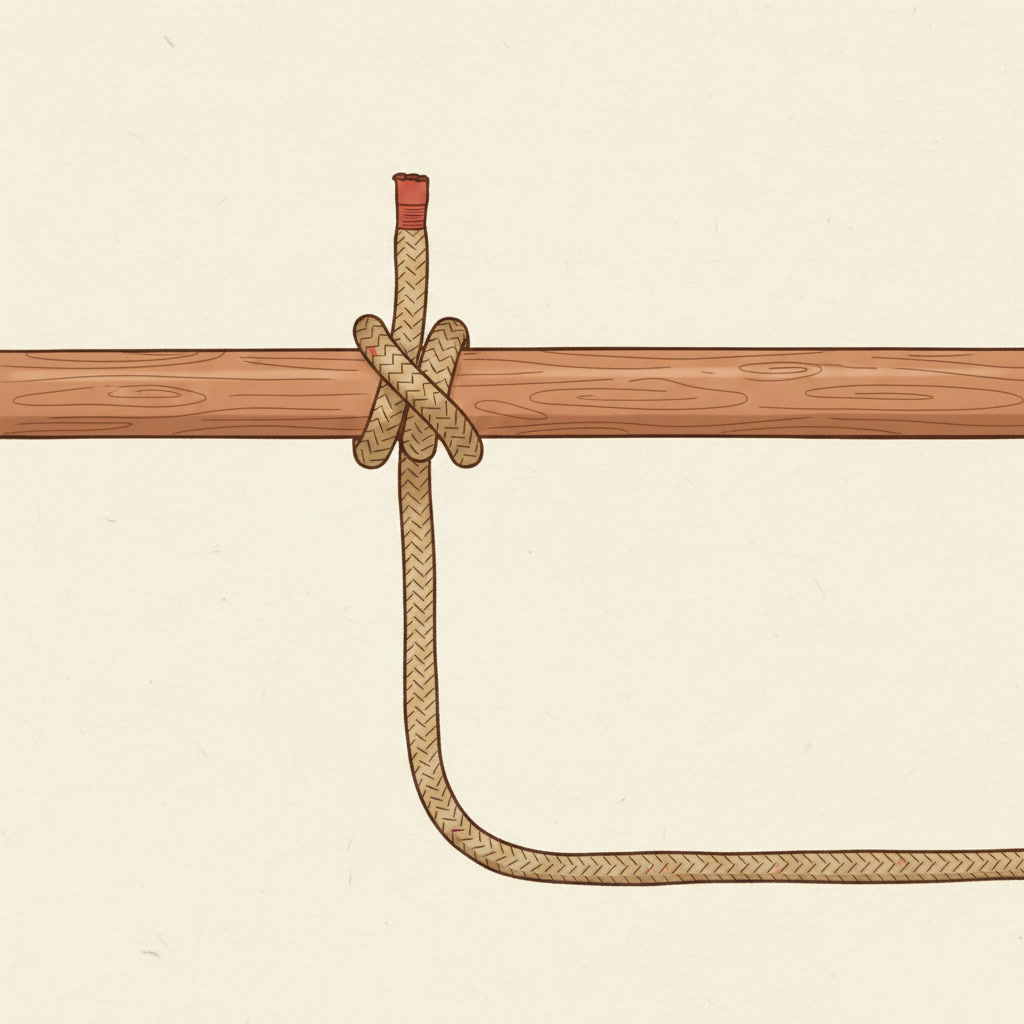
A finished clove hitch
Type
Hitch (round a rail or post)
Strength
Moderate — can roll or slip under steady pull
Ease to untie
Very easy, even after load
Best for
Fender lines on a guardrail

“Over, cross, over, tuck.”

Tie it step by step

  1. Pass the end over the rail and across the standing partOne turn over the rail, crossing over itself.
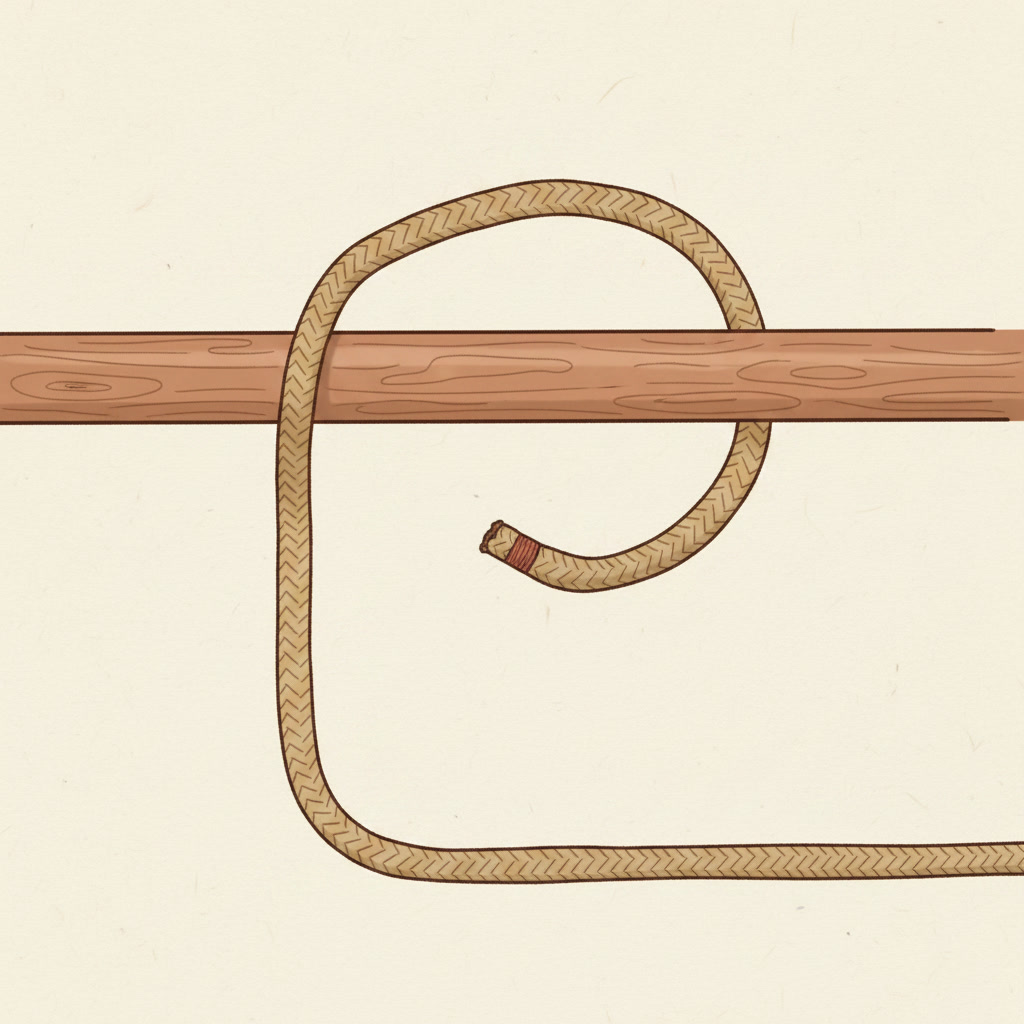
    Clove hitch — pass the end over the rail and across the standing part
  2. Bring the end back up and over the rail againA second turn alongside the first, in the same direction.
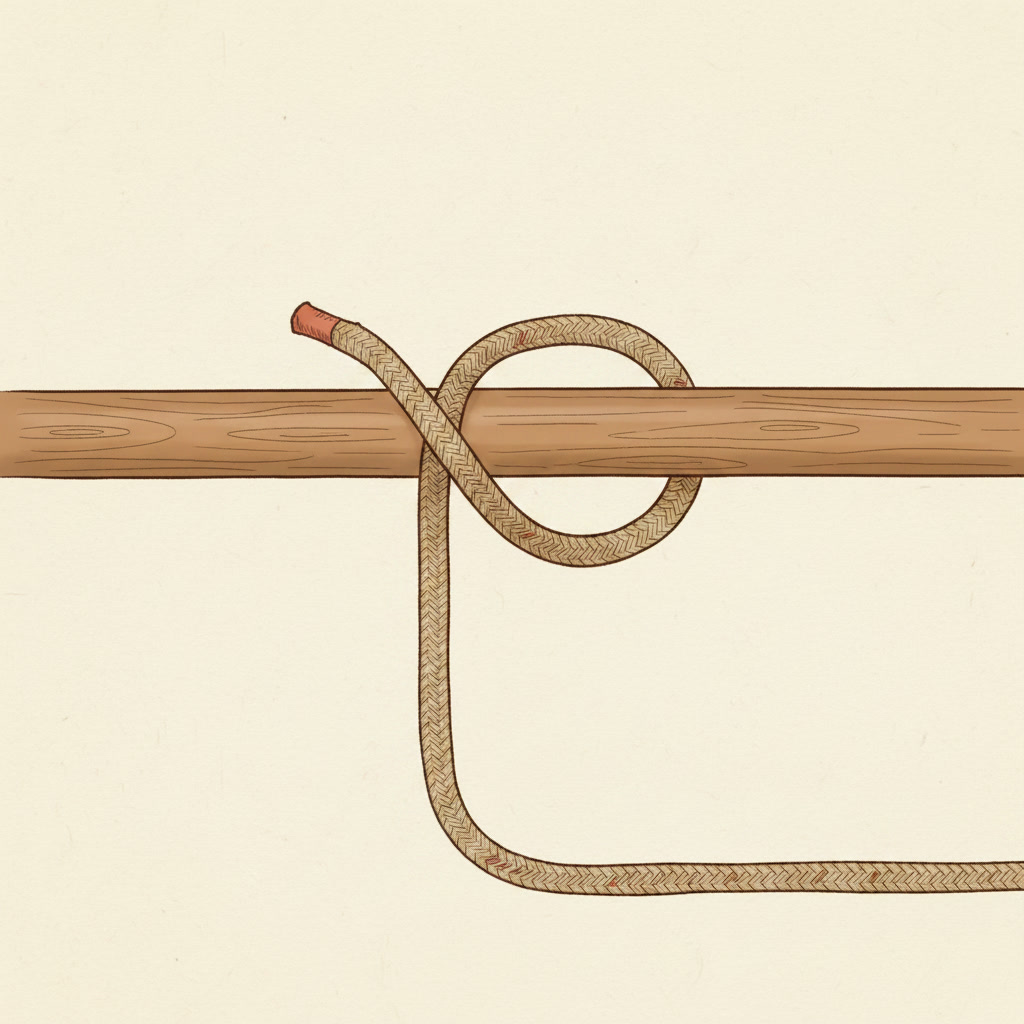
    Clove hitch — bring the end back up and over the rail again
  3. Tuck the end under the second turnCross over and tuck it under itself, so the two turns trap the tail.
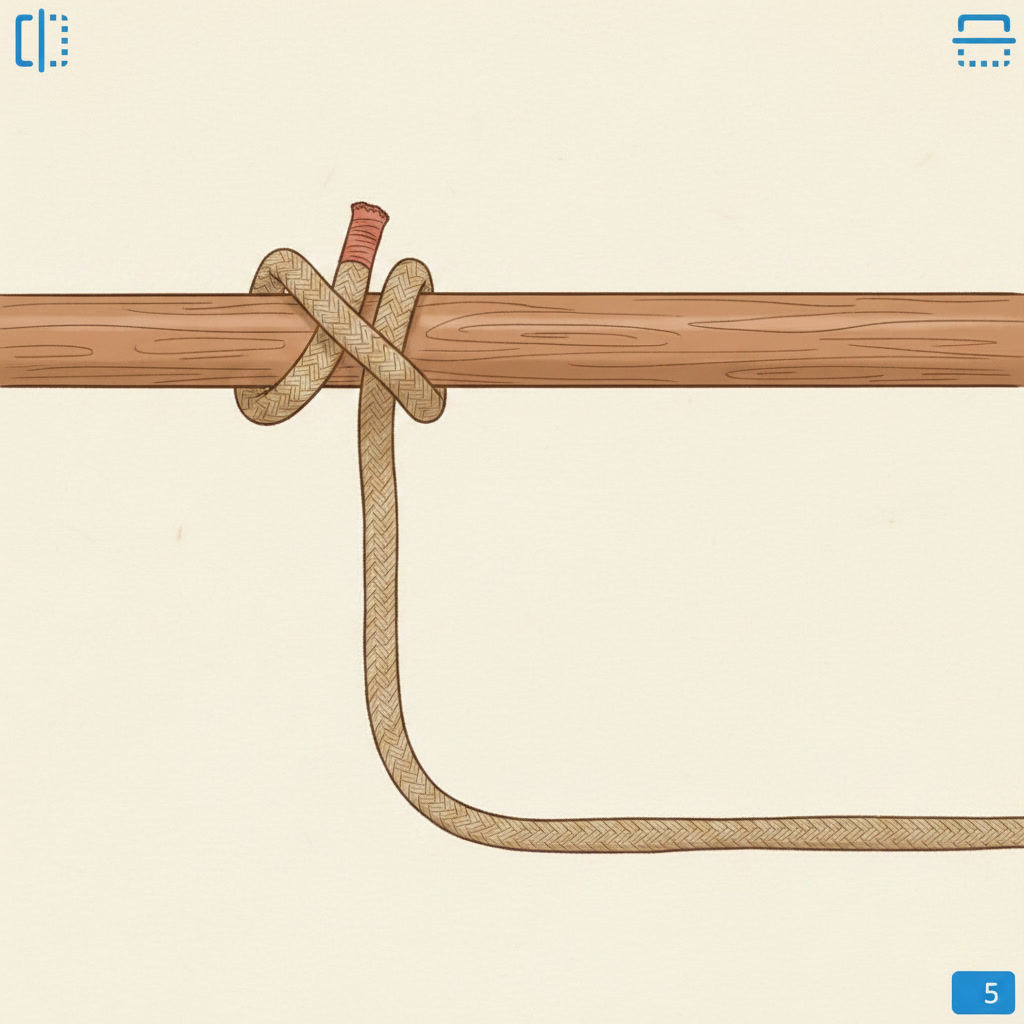
    Clove hitch — tuck the end under the second turn
  4. Pull both parts tightSnug it up. On a slippery line, add a half hitch as insurance.
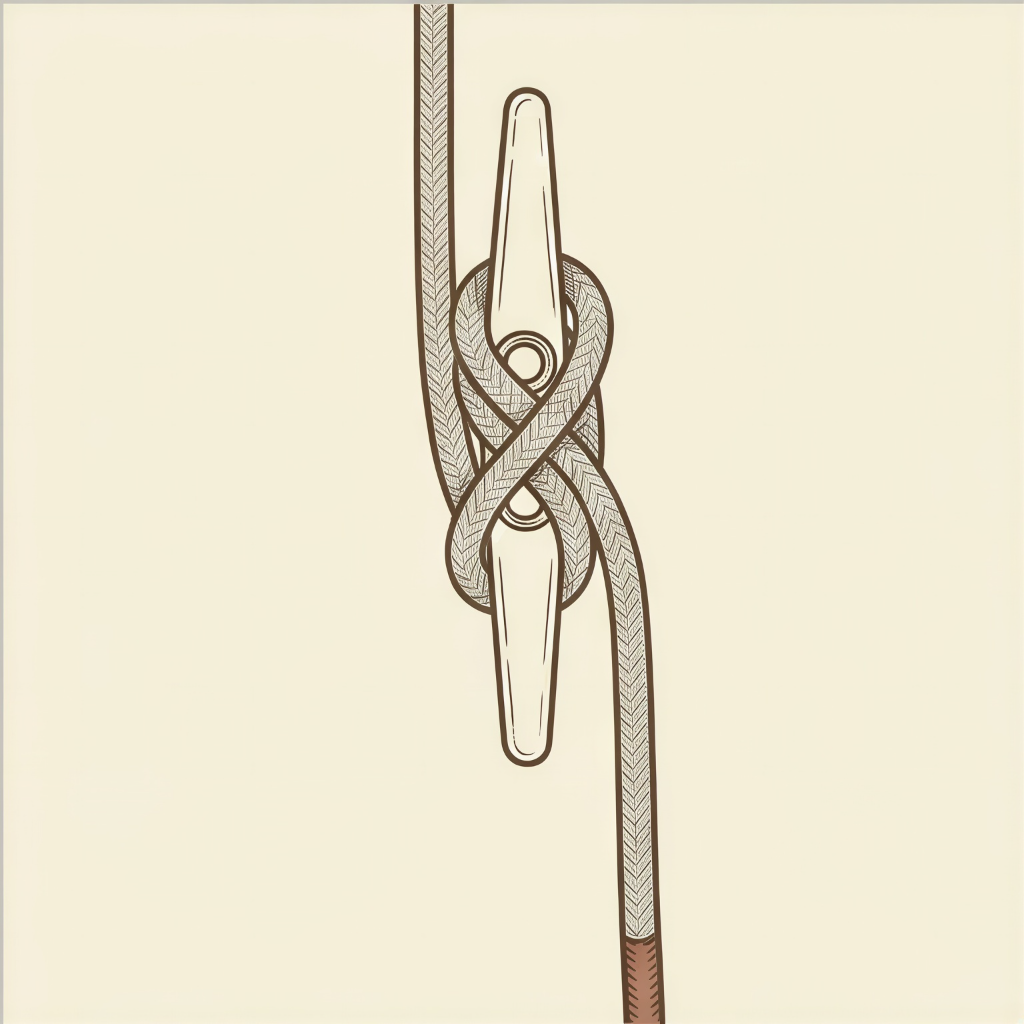
When you will use it on a boat

Fenders. That is the clove hitch’s day job. You come alongside, the pontoon is higher than you thought, and you need every fender up 20cm — a clove hitch unties, slides and reties faster than anything else. Add a half hitch on top and it will happily sit there all week.

It is also the knot for a quick tie to a rail, a flag halyard, or lashing a boathook down. What it is not is a mooring knot: for a ring or a bollard use a round turn and two half hitches.

Watch out for

Do

  • Both turns in the same direction, second lying neatly beside the first
  • Finish with a half hitch when the load matters
  • Leave it just snug enough to slide when you want to re-set fender height

Don’t

  • Not for mooring lines or anything with a steady, heavy pull
  • Not on a smooth stainless rail without a backing half hitch
  • Never with both turns wound in opposite directions — that is not a clove hitch

Related knots

Questions people ask

Is a clove hitch secure?

For light, constant-direction loads, yes. It can roll and work loose if the pull changes direction or the line is stiff and slippery. Adding one or two half hitches around the standing part makes it genuinely secure.

What is the difference between a clove hitch and two half hitches?

A clove hitch is tied around an object; two half hitches are tied around the rope’s own standing part after a turn. Practically: clove hitch for fenders and quick ties, round turn and two half hitches for mooring to a ring.

Can you tie a clove hitch in the middle of a rope?

Yes — form two loops, lay the second behind the first and drop them both over the post. That version is much quicker than threading the end, and it is what most sailors do when the post has a free top.

How do you untie a clove hitch?

Loosen the tucked end and unwind the two turns. It rarely jams, even after being loaded, because the turns do not cinch down on each other the way an overhand-based knot does.

Can you tie it from memory?

Reading a knot and tying it on a pitching foredeck are different skills. Test the first one in two minutes, then close the gap with the course.