Free guide · no account
How to tie a figure eight knot
A figure eight knot is a stopper: it puts a bulky lump in the end of a rope so the line cannot run out through a block, a fairlead or a clutch. Over, under, through — three moves. It holds more bulk than an overhand knot and, unlike an overhand, it still unties after it has been slammed tight under load.
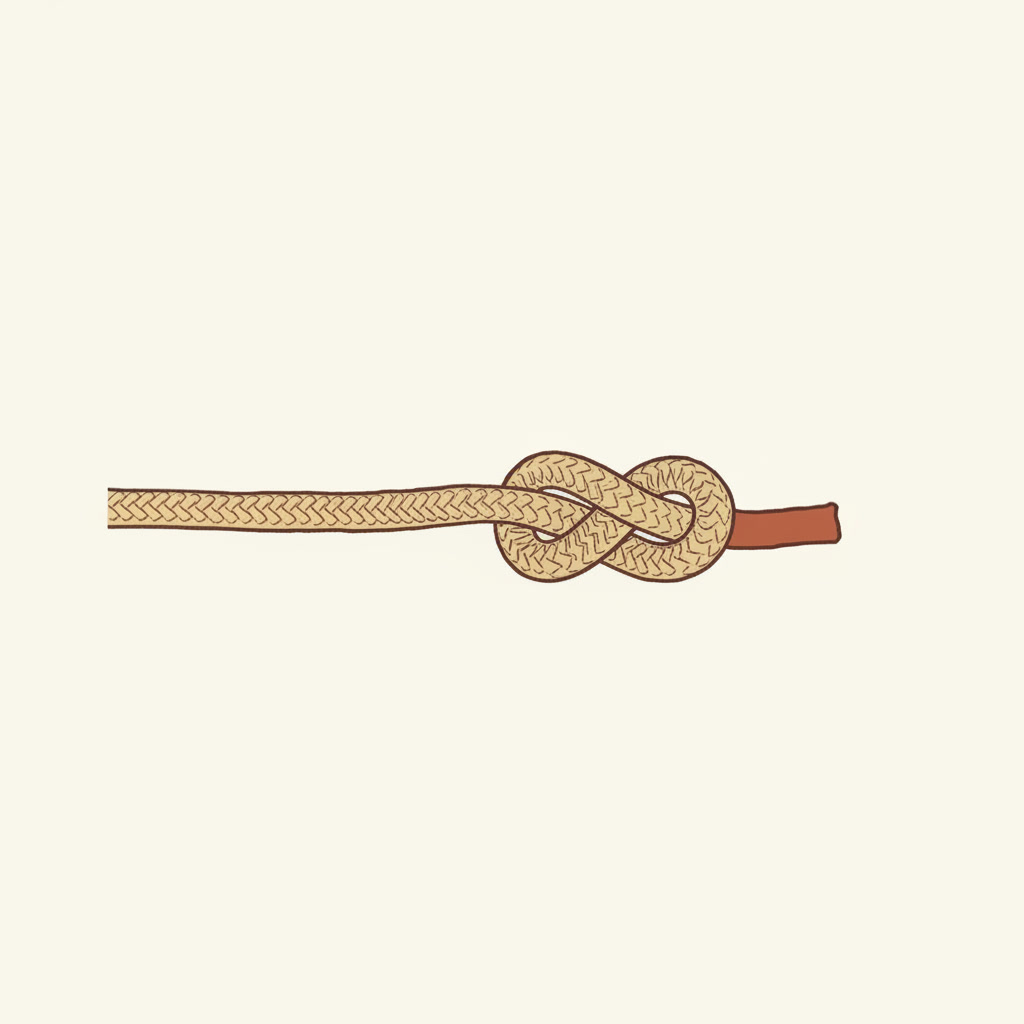
- Type
- Stopper knot
- Strength
- Not load-bearing — it stops, it does not hold
- Ease to untie
- Easy, even after being loaded hard
- Best for
- The end of every sheet and halyard
“Over, under, through.”
Tie it step by step
- Make a loop — end over standing partCross the working end over the standing part to make a loop.
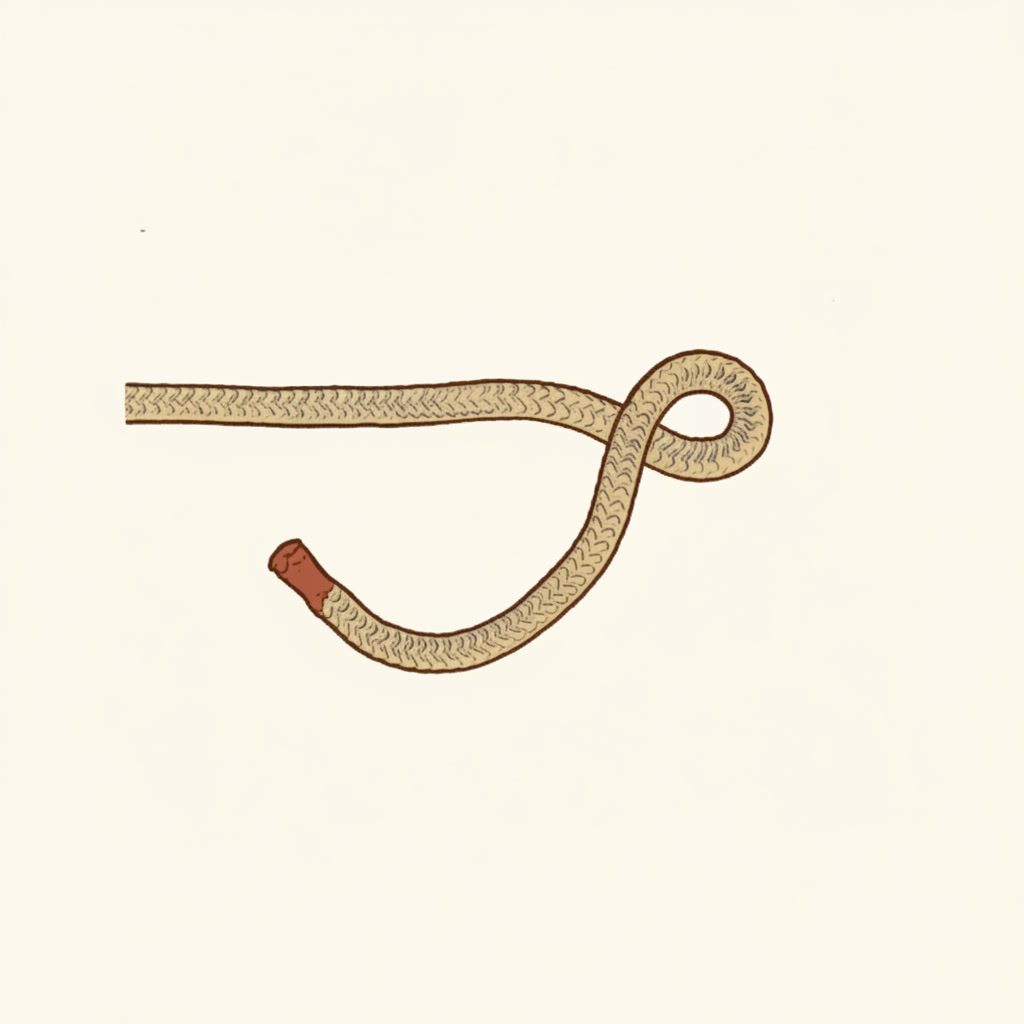
- Bring the end under and around the standing partAround the back — this is what gives the knot its figure-8 shape and its bulk.
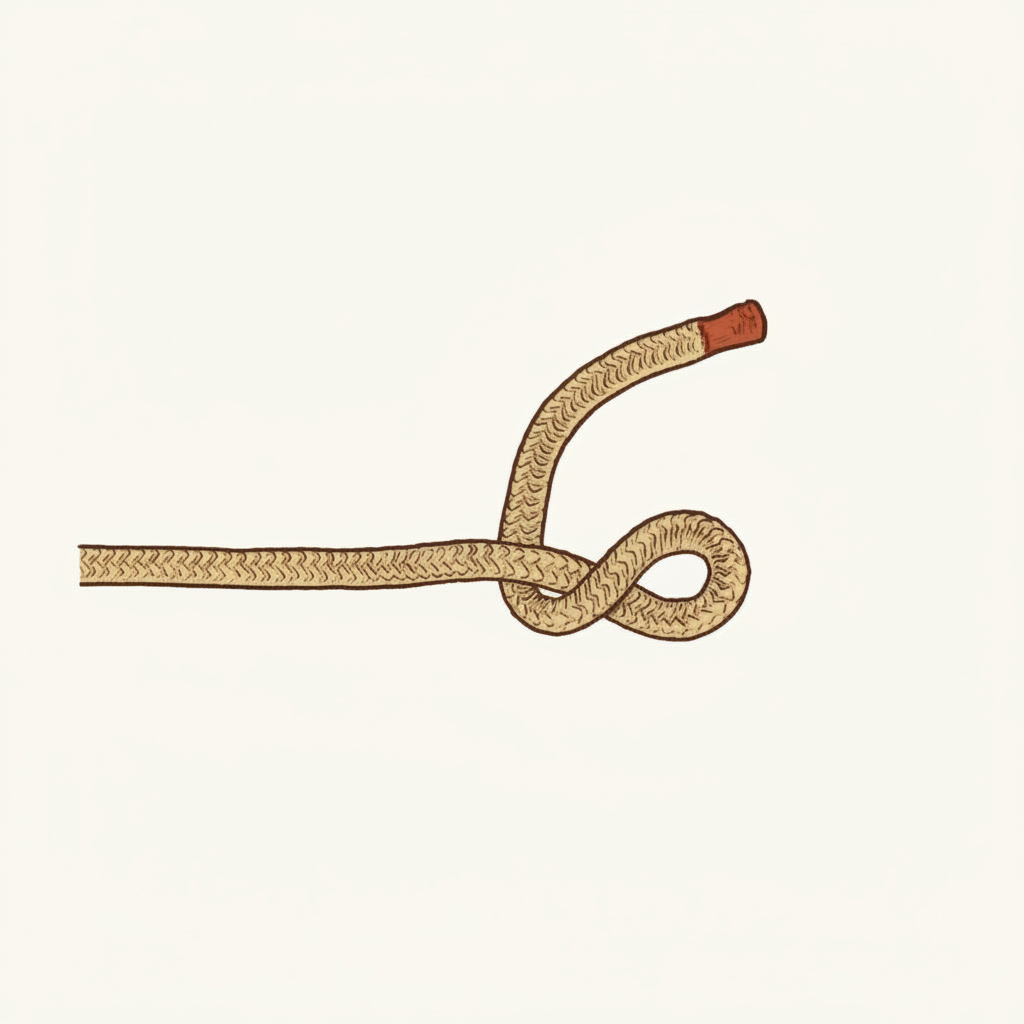
- Pass the end down through the loop and pull tightDown through the original loop, then dress it. You should see the 8 clearly.
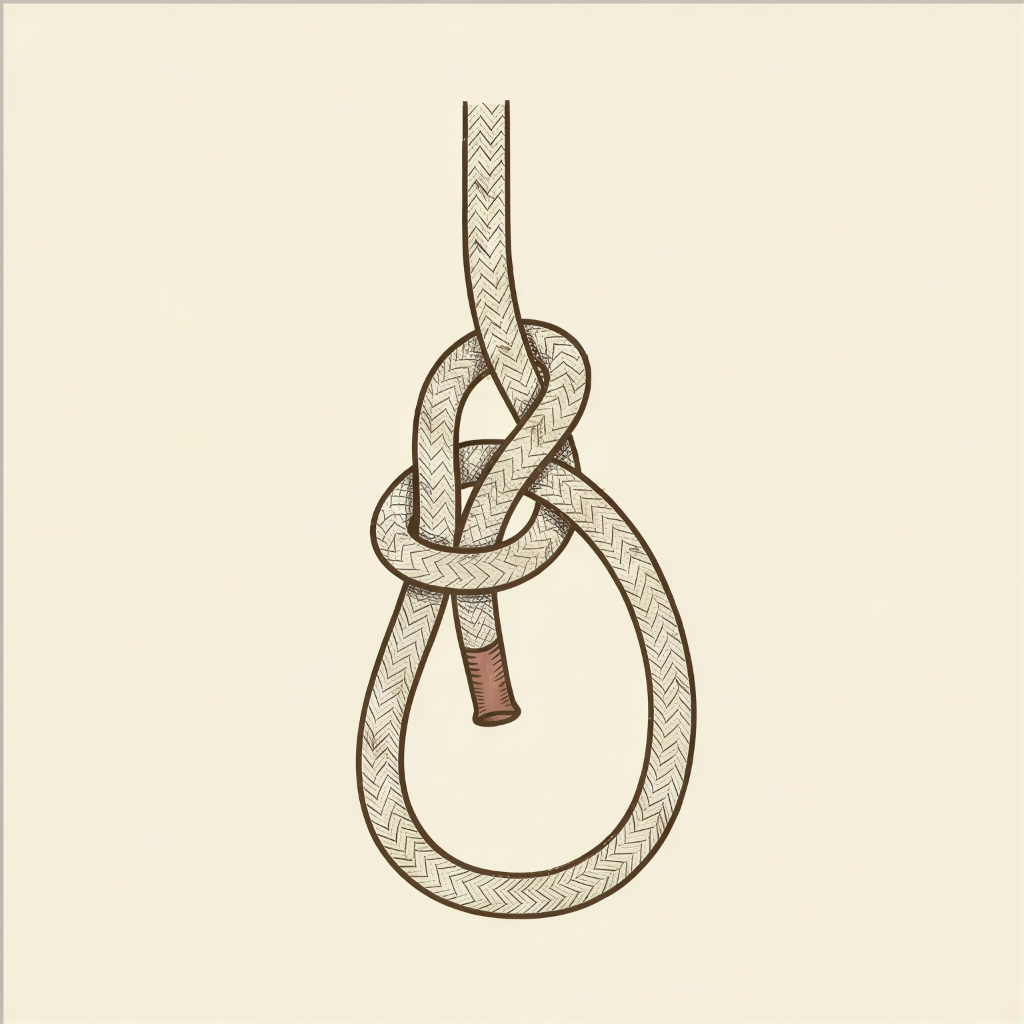 Bowline
 Reef knot
 Cleat hitch