Free guide · no account
How to tie a reef knot
A reef knot — the square knot — binds two ends of the same line around something: left over right, then right over left. It lies flat, stays symmetrical and shakes out with one pull, which is why it ties off a reefed sail. It is a binding knot, not a bend: never use it to join two ropes that will take load.
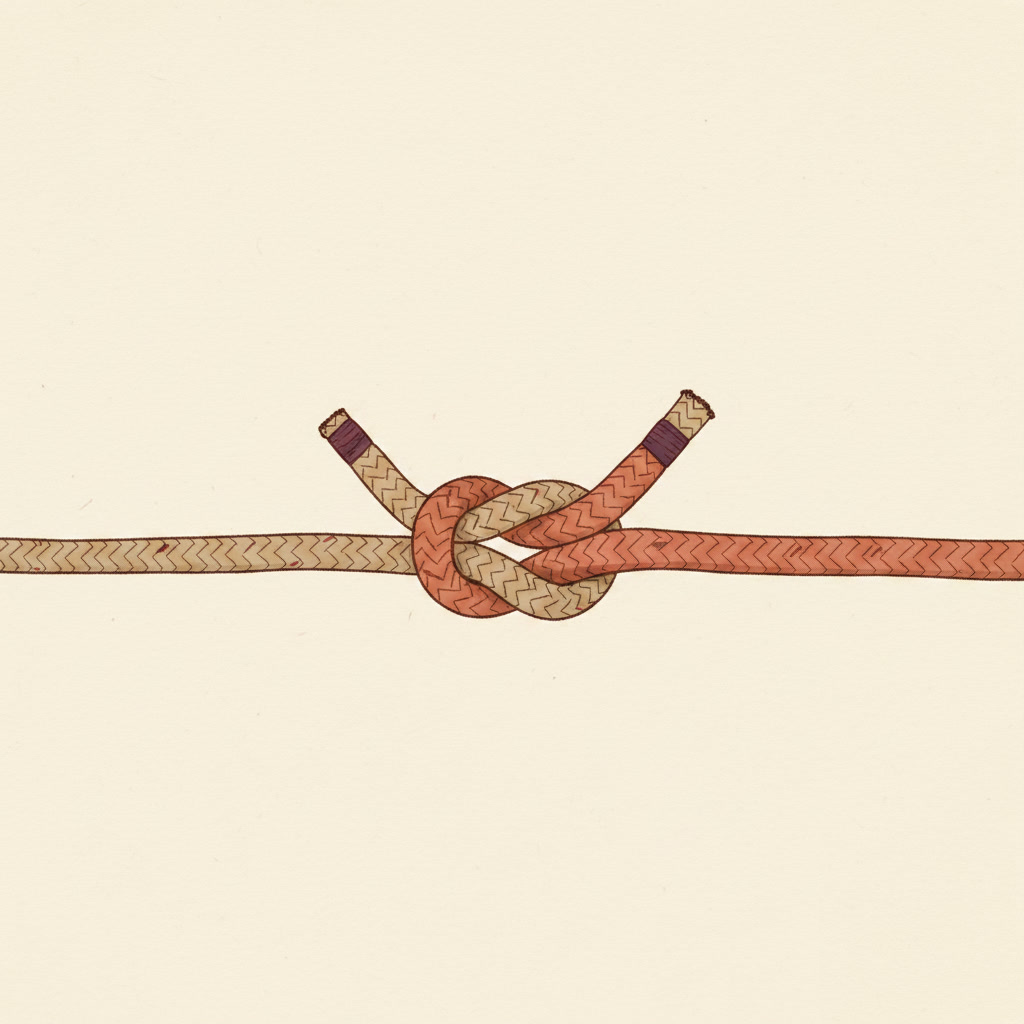
- Type
- Binding knot
- Strength
- Low — not for load-bearing joins
- Ease to untie
- Very easy — capsize it and pull
- Best for
- Reef points, sail ties, bundling a furled sail
“Left over right, right over left. Flat and square.”
Tie it step by step
- Cross left end over right and tuck it underThe first half knot. Note which end went on top — the second half must be the mirror of it.
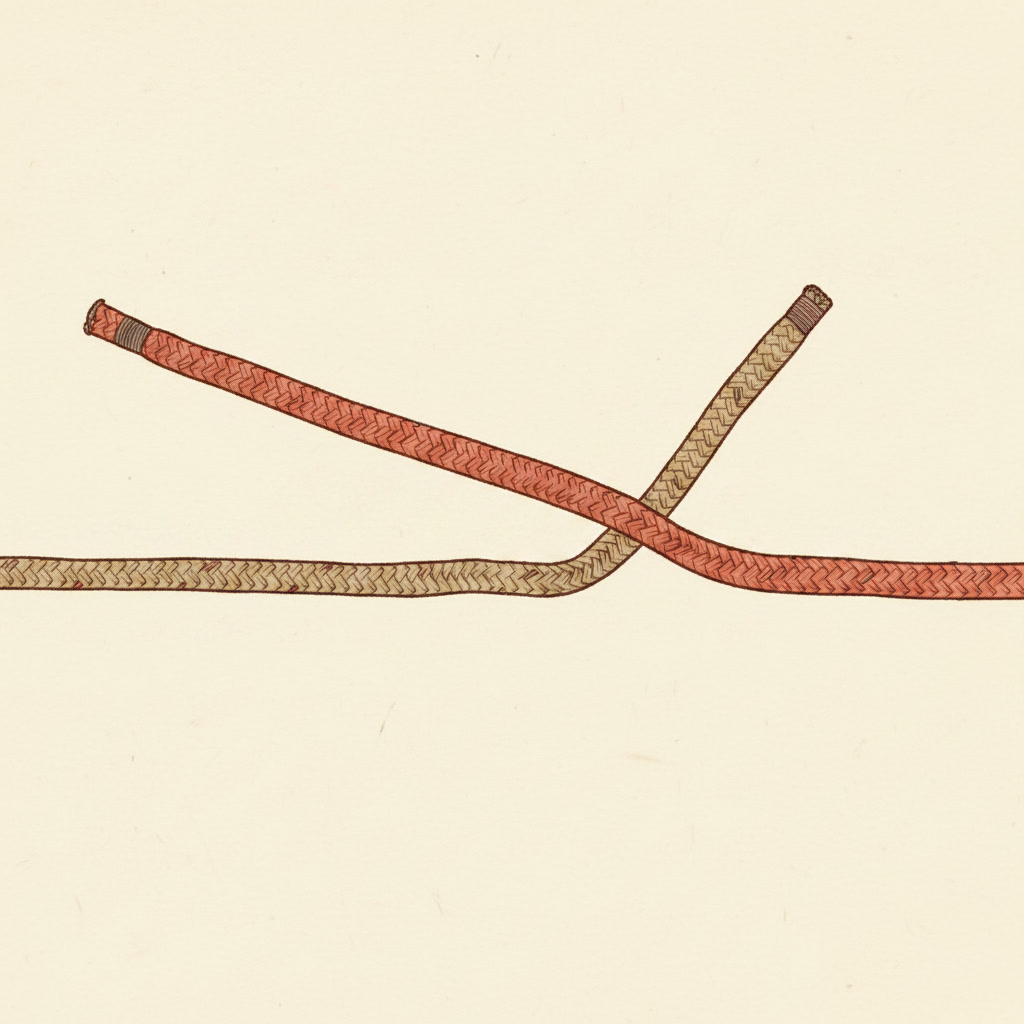
- Pull it snugYou now have a single half knot, sitting flat.
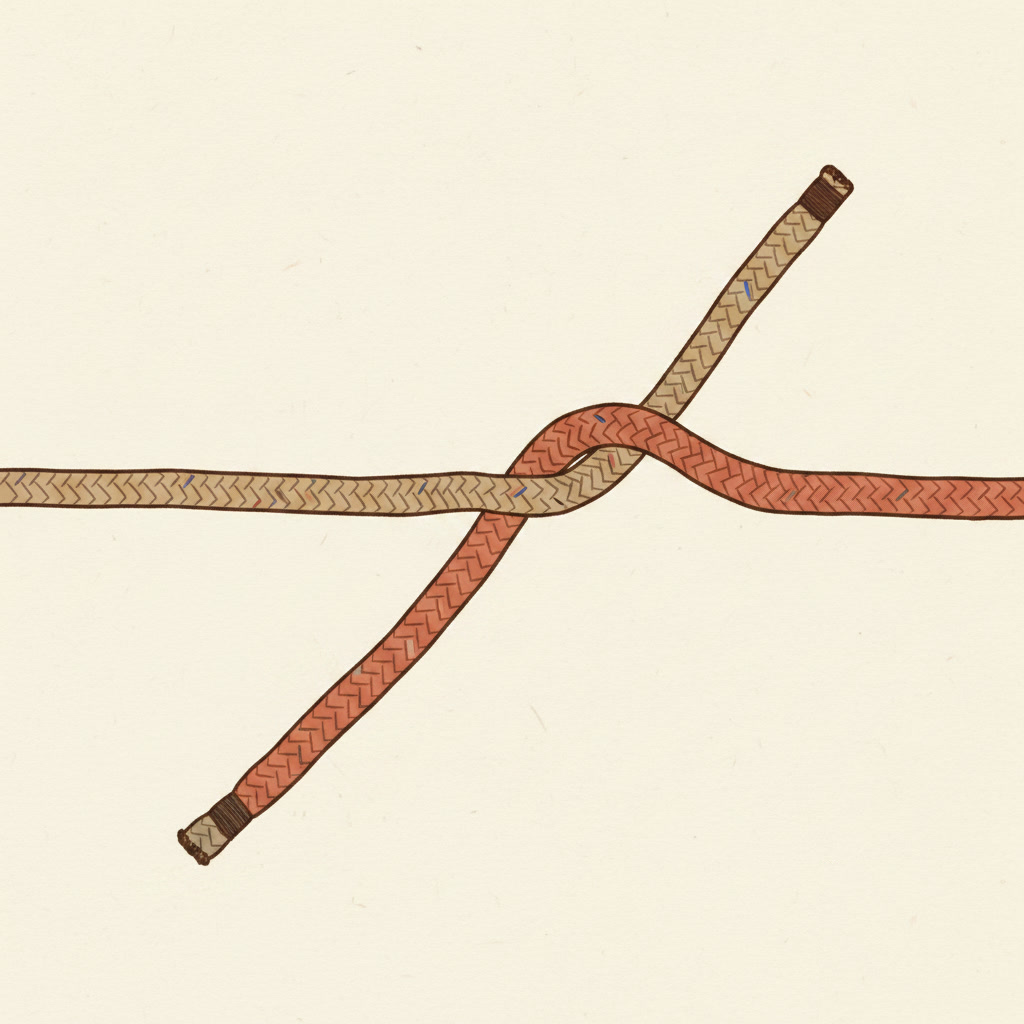
- Cross right over leftThe opposite of the first crossing. Get this backwards and you tie a granny knot, which slips.
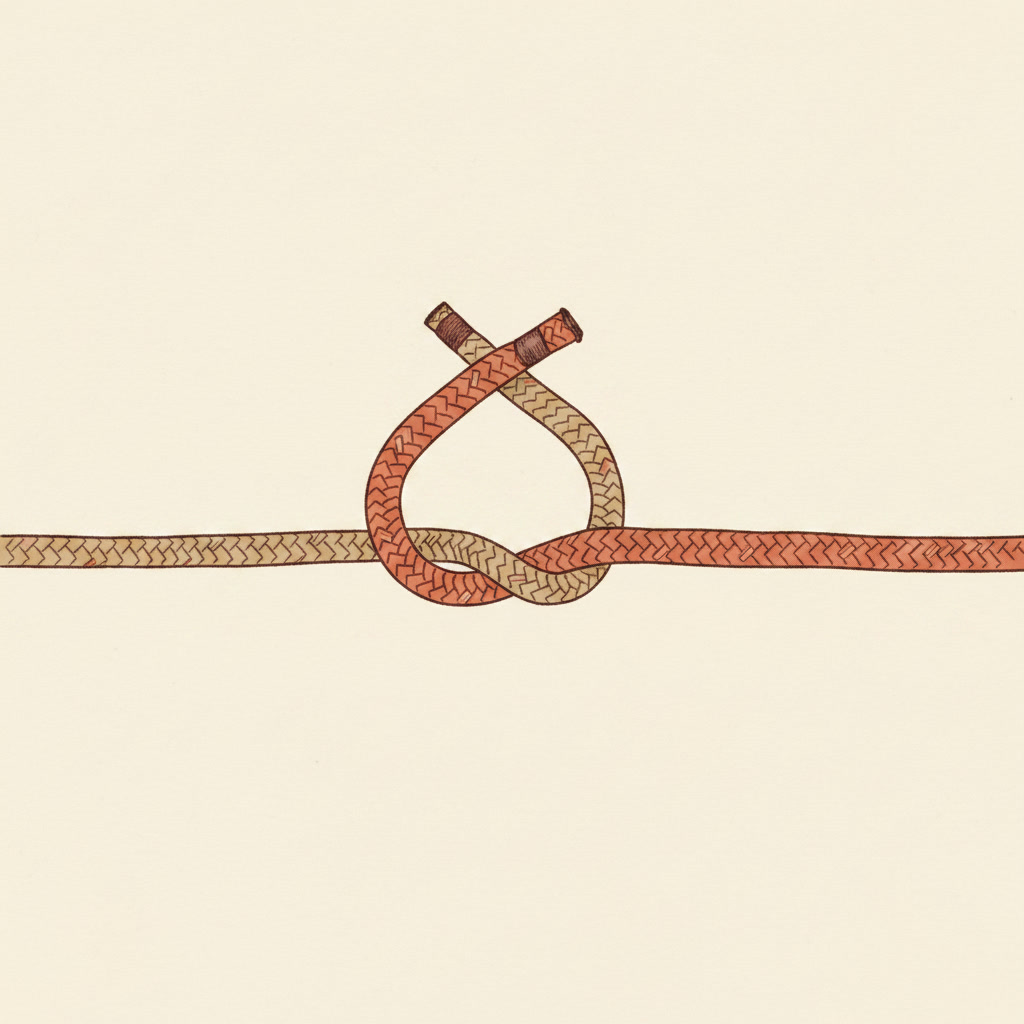
- Feed the end through the loopThe second half knot takes shape, still loose.
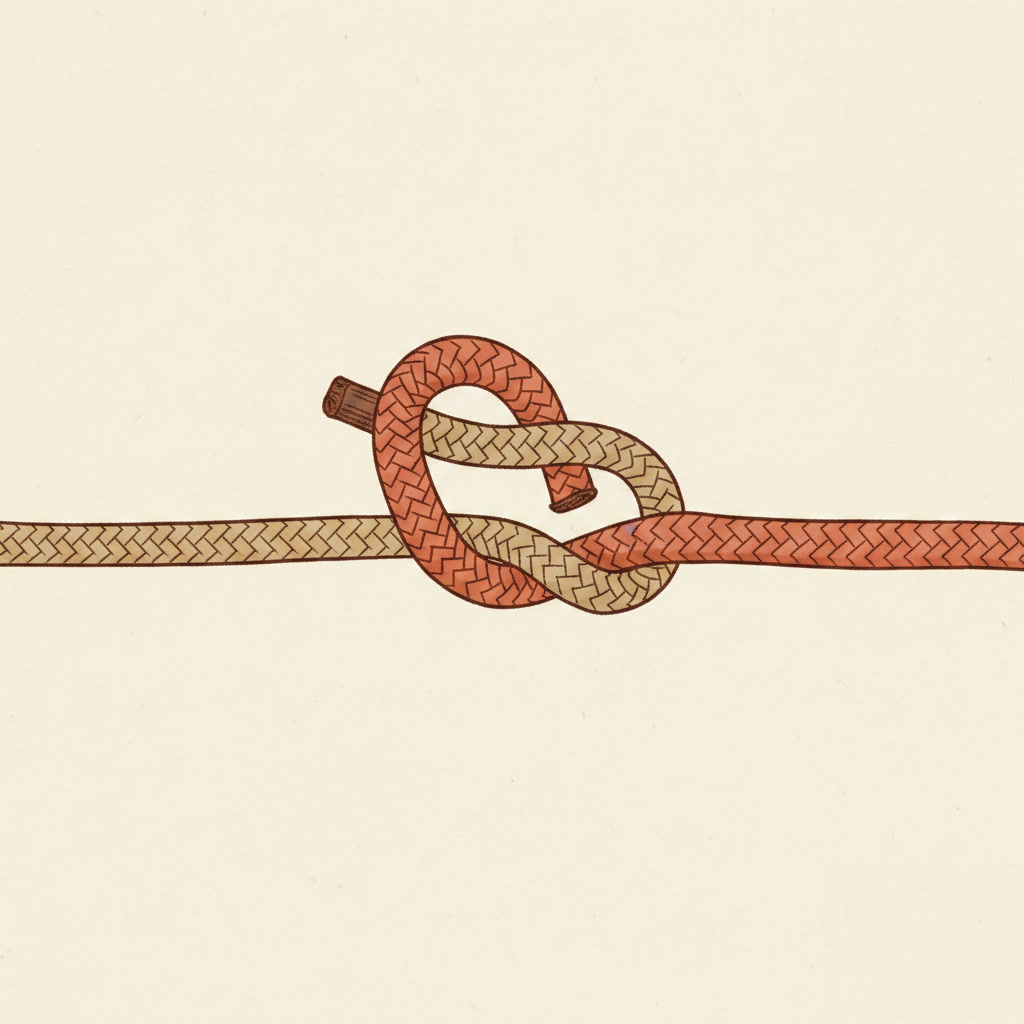
- Pull all four parts flat and squareBoth standing parts and both ends. It should look symmetrical — that is how you know it is a reef knot and not a granny.
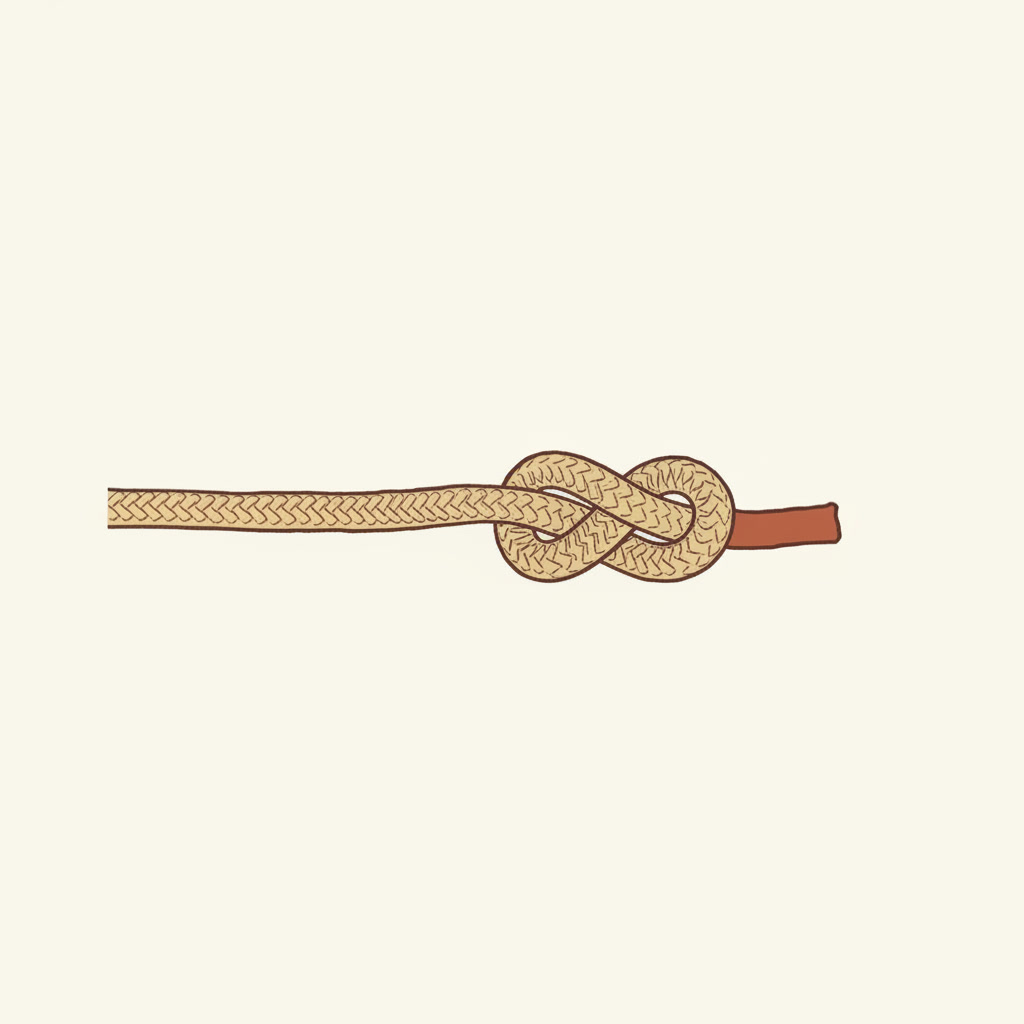 Figure-8 knot
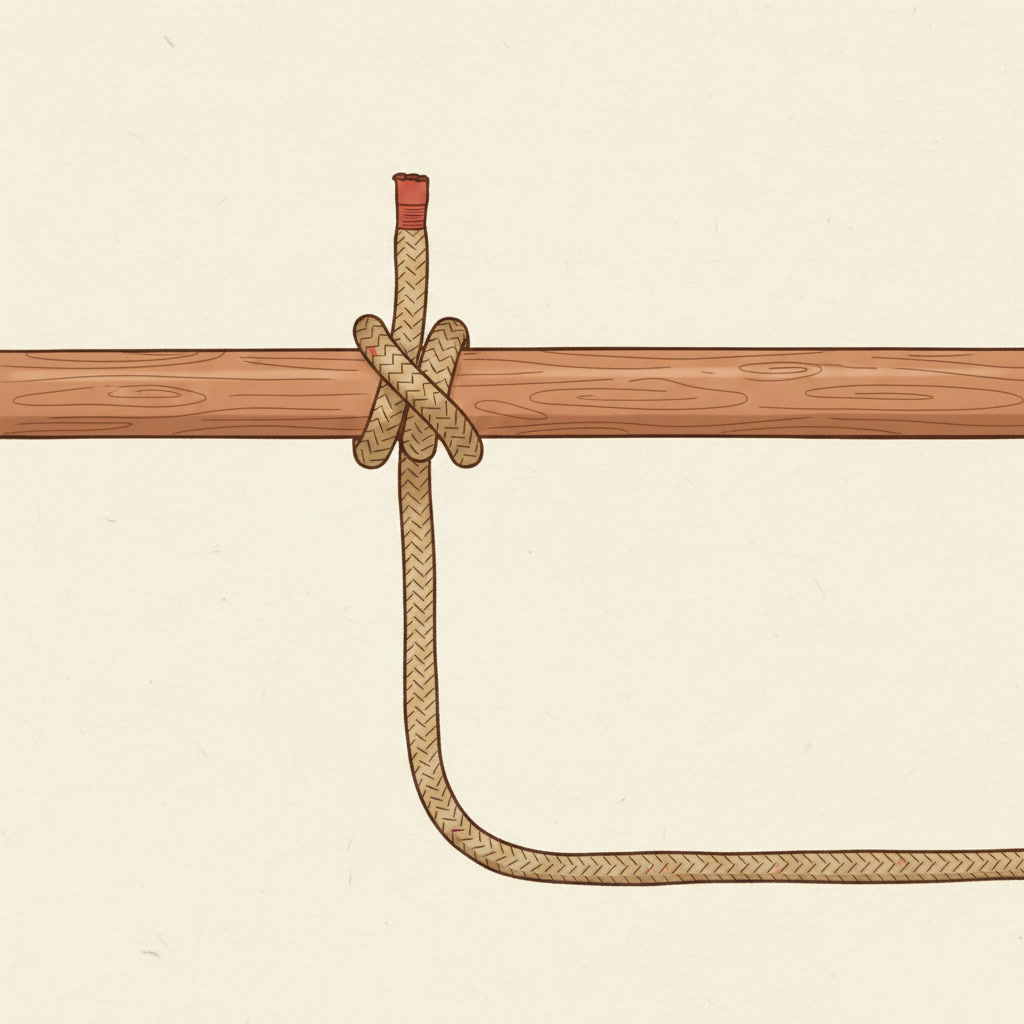 Clove hitch
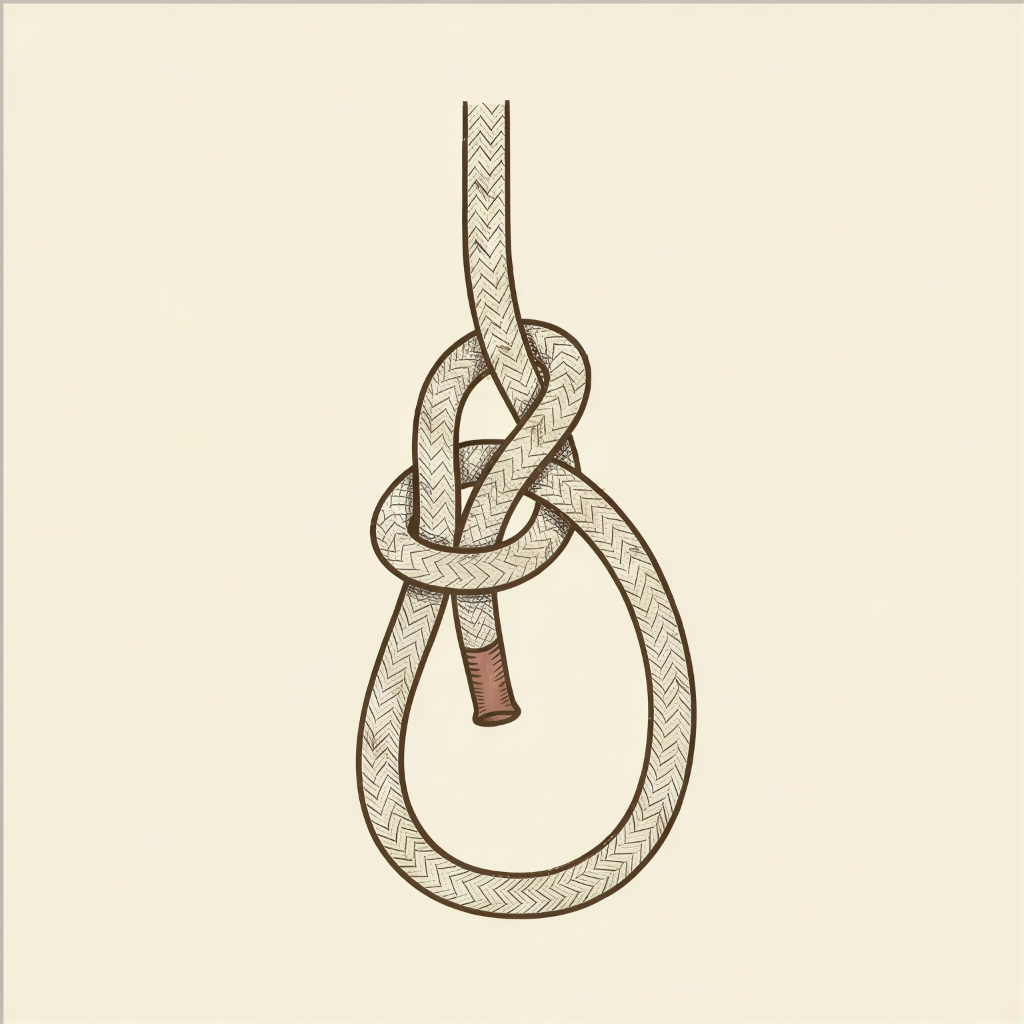 Bowline