MarineroKnots › Round turn & two half hitches

Free guide · no account

How to tie a round turn and two half hitches

A round turn and two half hitches ties a rope to a ring, rail or bollard. The round turn takes the load and lets you hold the line while you work; the two half hitches lock it off. It is the strongest of the everyday hitches and still comes undone easily, which makes it the default for mooring to anything that is not a cleat.
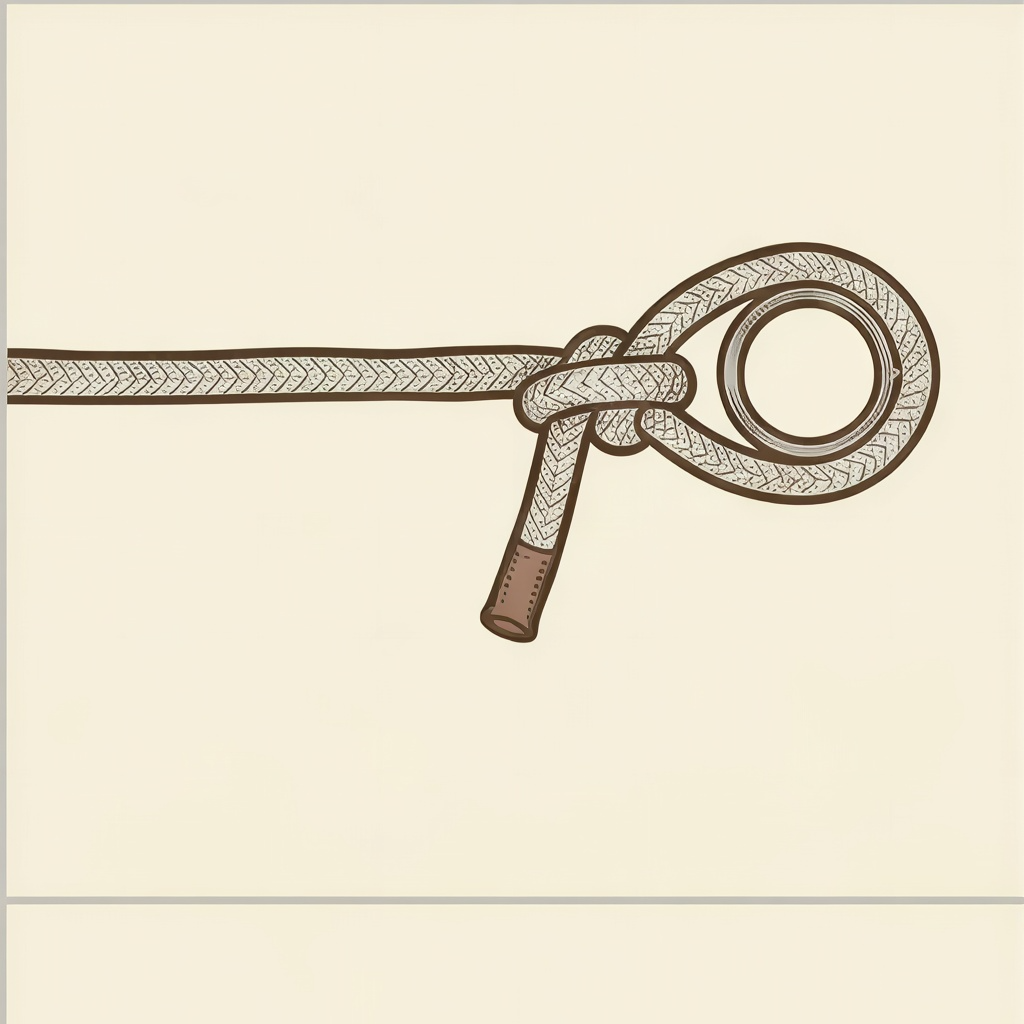
A finished round turn and two half hitches
Type
Hitch (rope to a ring or rail)
Strength
High — the turn carries most of the load
Ease to untie
Easy, even with weight on the line
Best for
Mooring rings, bollards, dinghy painters

“Two turns, two hitches.”

Tie it step by step

  1. Pass the rope around the ringFirst turn. Keep hold of the working end.
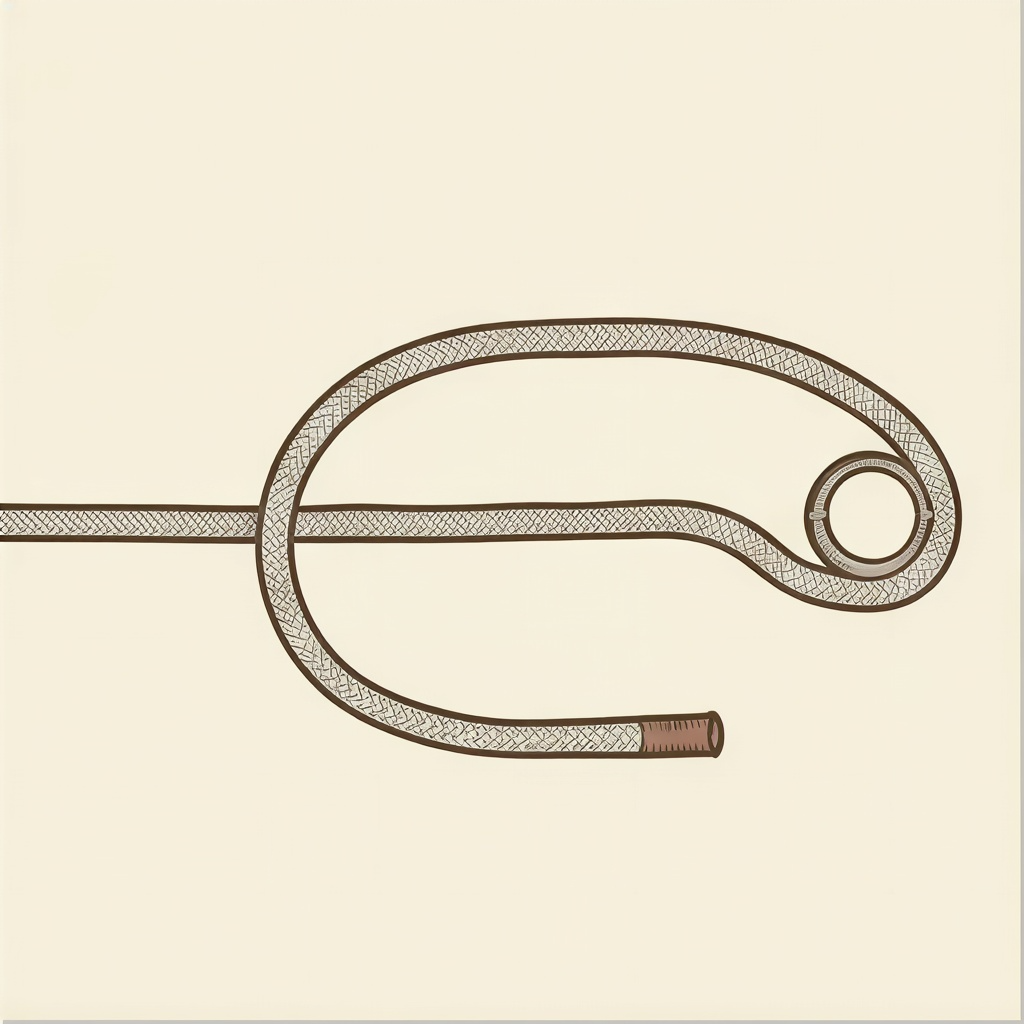
    Round turn & two half hitches — pass the rope around the ring
  2. Take a second turn — the round turnTwo turns spread the load and let you hold the line while you finish.
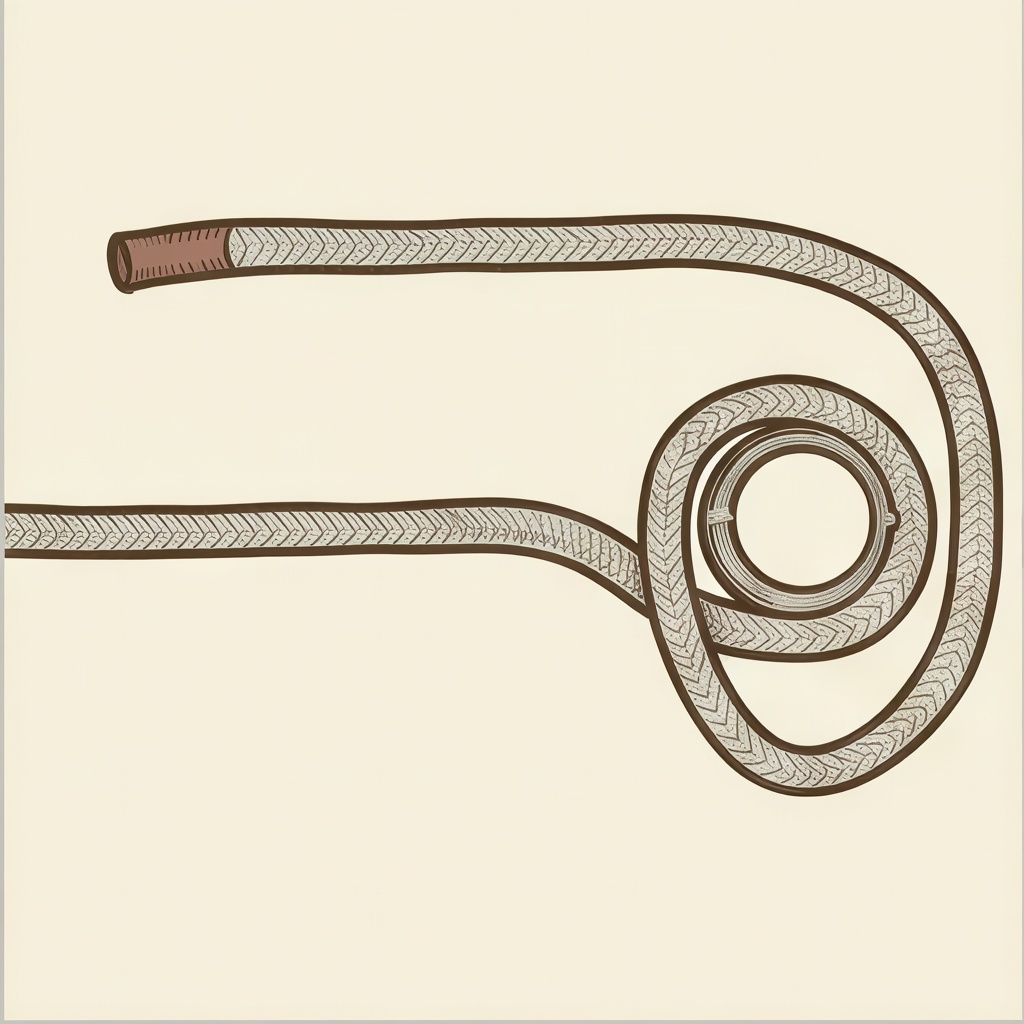
    Round turn & two half hitches — take a second turn — the round turn
  3. First half hitch — over and throughBring the end over the standing part and tuck it through the loop you just made.
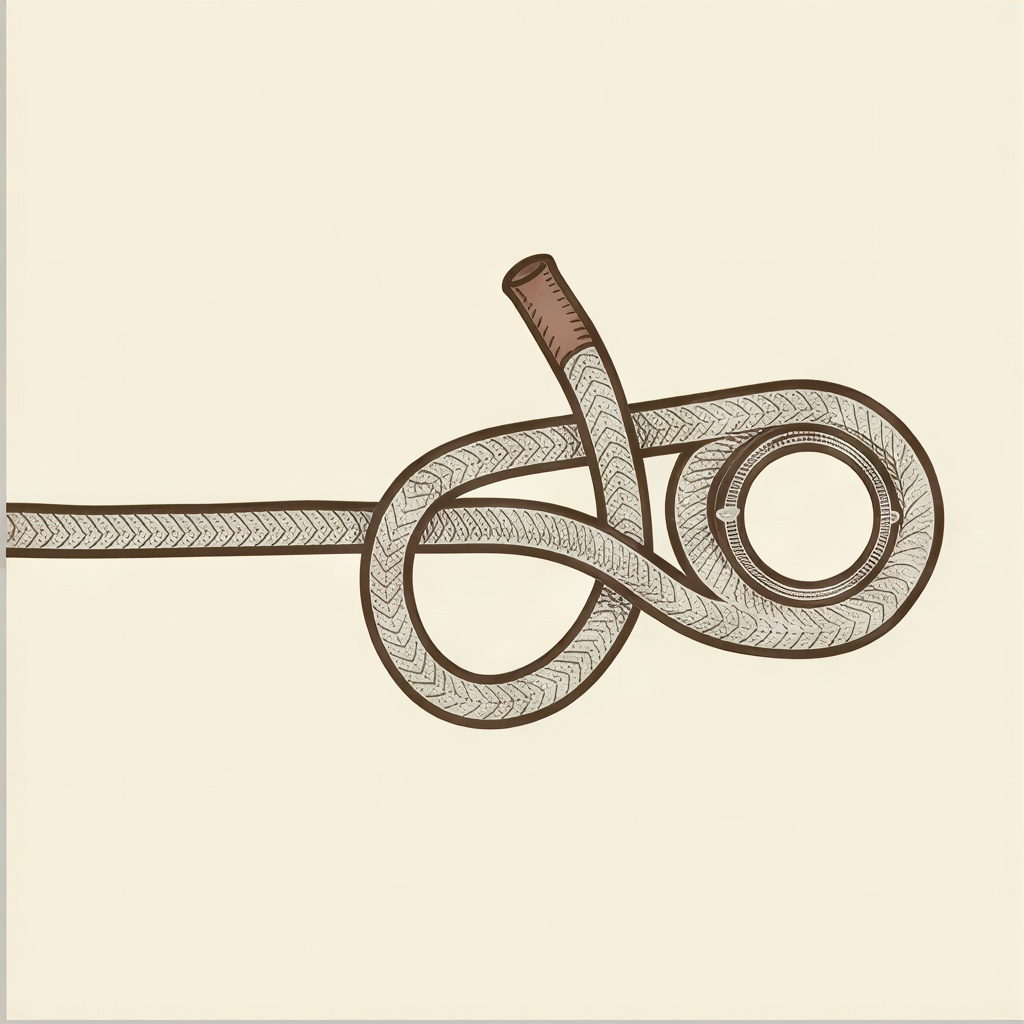
    Round turn & two half hitches — first half hitch — over and through
  4. Second half hitch, the same directionSame again, same way round, so both hitches lie neatly together. Snug them down onto the turns.
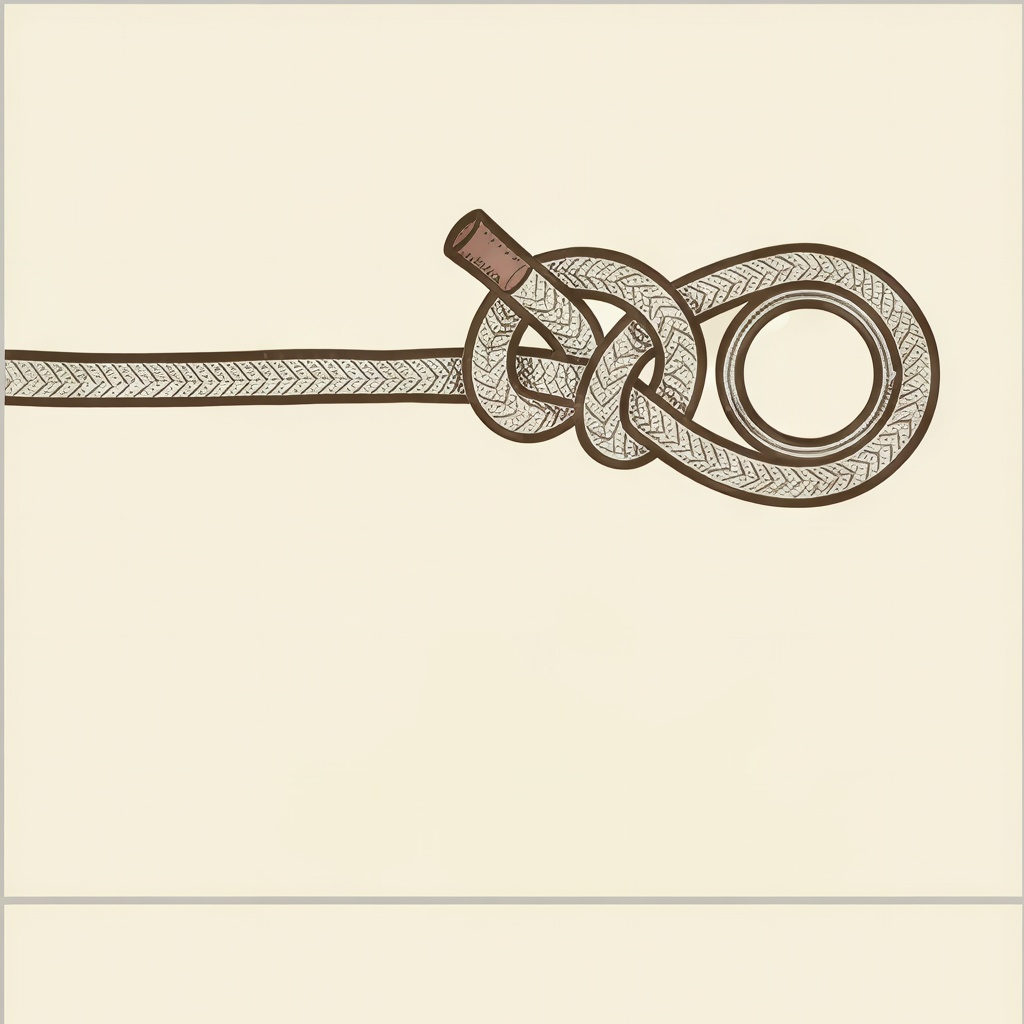
    Round turn & two half hitches — second half hitch, the same direction

When you will use it on a boat

Ashore this is the knot for a mooring ring set into a quay wall, a bollard with no cleat, or the ring on a mooring buoy. Aboard it is the dinghy painter, the fender line on a heavy rail, a tender to a ladder.

The magic is in the round turn: with two turns on the ring, friction alone holds most of the load, so a single person can pull a boat in and hold it while tying off. That is what makes it a safe knot to tie in a lumpy swell against a wall.

Watch out for

Do

  • Two full turns before you start hitching
  • Both half hitches the same way round, sitting neatly together
  • Leave a decent tail; add a stopper if the line is slippery

Don’t

  • Not one turn — one turn is not a round turn and you lose the friction
  • Not with the two hitches tied in opposite directions (that gives a cow hitch)
  • Not left loose — hitches must be snugged right down onto the turns

Related knots

Questions people ask

Is a round turn and two half hitches strong?

It is the strongest of the common hitches for a steady load. The round turn absorbs most of the strain by friction before the hitches take any, so the knot itself is barely stressed.

How do you untie it under load?

Undo the two half hitches — they carry very little force — then surge the line around the round turn to control it as you ease it off. This is the reason it is preferred over a bowline on a ring.

What is the difference between this and a clove hitch?

A clove hitch takes its grip from turns crossing each other around the object; this knot takes its grip from friction of a round turn plus hitches on its own standing part. It holds far better under heavy or varying load.

Can it be tied around a post as well as a ring?

Yes — a bollard, a piling, a rail or a tree all work the same way. Just make sure both turns lie beside each other, not crossed over one another.

Can you tie it from memory?

Reading a knot and tying it on a pitching foredeck are different skills. Test the first one in two minutes, then close the gap with the course.